A Sobering Question
When a Person- Or a Nation- Abandons God

When a person decides to abandon God, what happens?
When a nation abandons God, what happens?
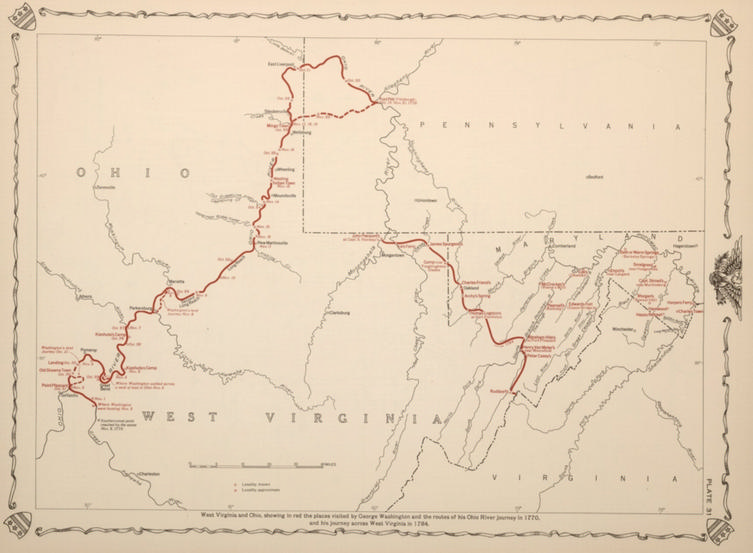
In 1863, WV decided not to rebel like other states; will WV repeat that decision?
Scripture offers a direct warning:
“So God abandoned them to do whatever shameful things their hearts desired. As a result, they did vile and degrading things with each other’s bodies. They traded the truth about God for a lie. So they worshiped and served the things God created instead of the Creator himself, who is worthy of eternal praise! Amen.”
— Romans 1:24–25
A Nation at a Crossroads
Is today’s news just a repeat of the warning of Isaiah?
The data surrounding modern American religiosity reveals a dramatic cultural shift. The trends are steep, rapid, and historic.
Declining Religious Commitment
Fewer than half of Americans now say religion is an important part of their daily lives, a 17-percentage-point drop since 2015, one of the largest declines measured globally, according to a new Gallup poll.
Why it matters:
The U.S., once unusually religious among wealthy nations, is experiencing profound cultural changes that stand to reshape politics, social ties, and even national identity.
The Numbers
-
In the latest Gallup Poll, only 49% of U.S. adults say religion is essential to their daily life—down from 66% in 2015.
-
This decline is among the steepest measured anywhere in the world since 2007.
-
The U.S. is quickly approaching the OECD median, where only 36% of adults call religion important.
Gallup researchers Benedict Vigers and Julie Ray note:
-
“Such large declines are rare.”
-
Only 14 out of 160+ countries have seen drops over 15 percentage points in the past decade.
-
The U.S. now sits in a strange place—less religious than much of the world, but more devout than most wealthy nations.

Global Comparison
Only a small number of wealthy nations have experienced sharper declines:
-
Greece (2013–2023): –28 points
-
Italy (2012–2022): –23 points
-
Chile, Turkey, and Portugal show declines similar to the U.S.
Churches Closing and Identities Shifting
-
An unprecedented 15,000 churches in the U.S. may shut their doors this year—far more than the number expected to open.
-
29% of Americans now identify as religiously unaffiliated.
-
62% identify as Christian, down from 78% in 2007 (Pew Research Center).
Yet Faith Still Pulls Weight
Even in decline, American Christianity remains influential.
-
President Trump received 85% of the white evangelical vote and 57% of the white mainline Protestant vote in 2024 (PRRI).
-
The U.S. no longer fits any standard global belief category: it has medium-high Christian identity but only middling religiosity.
The Next Generation
Gen Z women are increasingly turning away from organized religion and are leading the exodus from Christianity, according to PRRI CEO Melissa Deckman.
Despite stories of Gen Z men returning to church, the data offers little evidence of a large-scale movement capable of reversing the decline.
The Cultural Bottom Line
The United States is experiencing one of the most dramatic cultural transitions on the planet—shifting from a faith-centered nation to one where religion no longer defines daily life for most people.
Methodology:
Gallup Poll, June 14–July 16, 2025; 1,000 adults aged 15+; ±4.4% margin of error at 95% confidence.
Where Is the Good News?
A Feb 2021 West Virginia University Study, "Religion in West Virginia" found that 78.6% of West Virginians identified as Chritian so that is 16 percentage points better than the national average. Amid warnings and decline, Scripture offers a clear path forward:
“Then if my people who are called by my name will humble themselves and pray and seek my face and turn from their wicked ways, I will hear from heaven and will forgive their sins and restore their land. My eyes will be open and my ears attentive to every prayer made in this place.”
— 2 Chronicles 7:14–15 (NLT)

HGN Staff
His Good News magazine seeks to unite and empower parents, educators, legislators, and voters in West Virginia to support and advance Christian education, religious freedom, and conservative values. By fostering a strong Jesus-based foundation within our communities, we can influence legislation, protect religious freedoms, and ensure that our children receive a quality Christian education.