Artist Spotlight for Homeschool
James Tissot Easter Art Unit
Easter is a time for Scripture readings, hymns, and traditions that help us reflect on the life, death, and resurrection of Jesus. Art can also play a powerful role in helping children visualize and understand the events of the Gospel. One artist whose work offers a remarkable window into the biblical world is James Tissot.
James Tissot and A Turning Point
Tissot was a successful French painter in the late nineteenth century, known for detailed scenes of fashionable Parisian society. But in 1885, at the height of his career, his life took an unexpected turn.
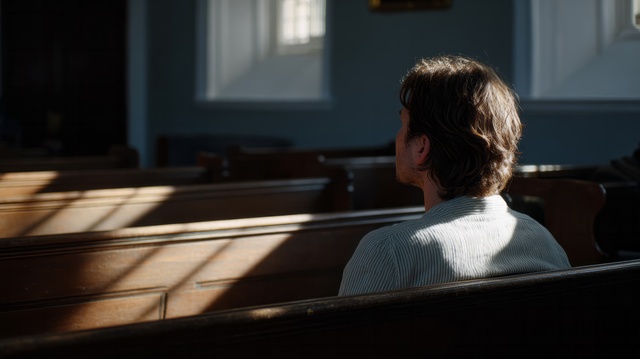
While attending Mass at Saint-Sulpice Church, Tissot experienced what he later described as a powerful spiritual vision–a moment which profoundly affected him.
Tissot later wrote that the experience convinced him that without Christ, civilization itself becomes a ruin. After this turning point, he abandoned his successful career painting high society and dedicated the remainder of his life to illustrating the Bible.
Painting the Life of Christ
Determined to depict the biblical world as accurately as possible, Tissot traveled twice to the Middle East, visiting Palestine, Egypt, and Syria. He carefully studied clothing, architecture, landscapes, and cultural details so that his illustrations would reflect the historical setting of Scripture.
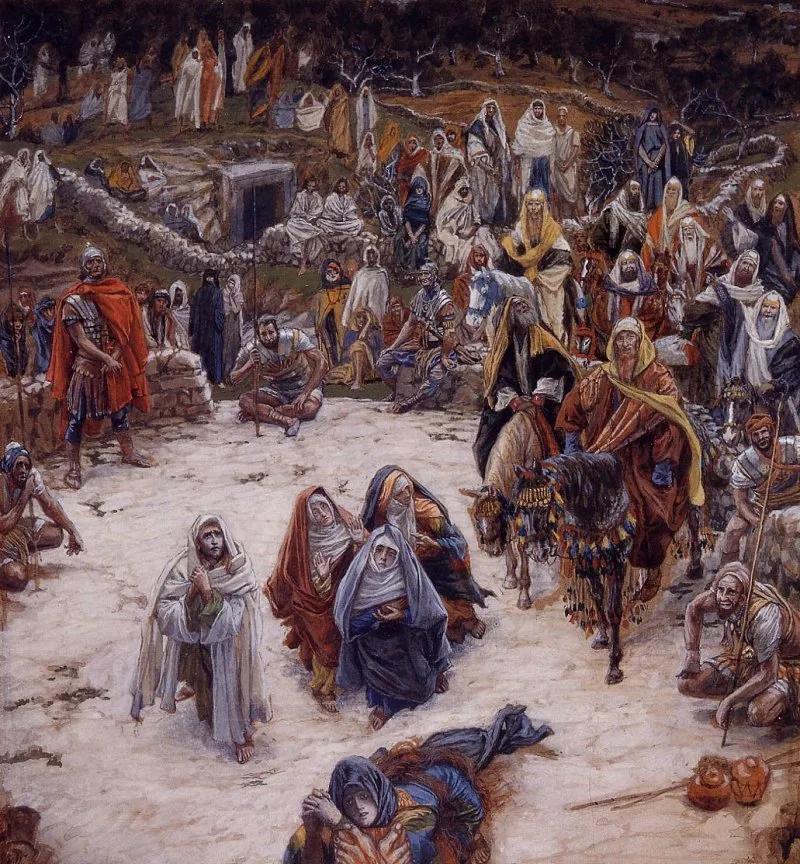
The result was an extraordinary series of more than 350 watercolor paintings depicting scenes from the Gospels, collectively known as The Life of Christ. These paintings illustrate familiar moments such as the Sermon on the Mount, the Last Supper, the Crucifixion, and the Resurrection.
Unlike many earlier religious paintings that imagined biblical scenes in European settings, Tissot sought to portray the world of the Bible with archaeological and cultural accuracy. His work helped viewers imagine what daily life in first-century Judea might have looked like.
You can explore many of these images online through collections like the Brooklyn Museum’s exhibition on James Tissot and digital archives such as the Artvee collection of Tissot’s Bible illustrations.

Try This in Your Easter Homeschool
Tissot’s artwork offers a wonderful way to combine Bible study, art appreciation, and history in your homeschool during the Easter season. This sample of Tissot’s work from an exhibit at the Brooklyn Museum features some interesting backstory to the featured works and outlines some of the ways in which Tissot’s extensive research and travel in the Holy Lands influenced his art.
Here are a few simple ways to explore his work with your students:
- Compare Scripture and Art
Choose a Gospel passage describing events from Holy Week—such as the triumphal entry, the Last Supper, or the Resurrection. Read the passage together, then view Tissot’s illustration of the scene. Discuss how the artist interpreted the details. - Observe Historical Details
Ask students to look closely at clothing, buildings, landscapes, and daily life in the paintings. What details help make the biblical setting feel real? - Create Your Own Illustration
Invite students to choose a Bible passage and illustrate it themselves. Encourage them to think about historical details the way Tissot did.
Art has a unique ability to slow us down and help us see familiar stories with fresh eyes. Through careful research and deep faith, James Tissot devoted the final years of his life to bringing the Gospel story to life on paper.
For homeschool families, his work offers an invitation not just to study Scripture—but to see it. And sometimes, seeing a story unfold through art helps it stay in our hearts long after Easter morning.
*This article was originally posted on the Home Educators Association of Virginia (HEAV) blog. Used by permission. https://heav.org/easter-homeschool-james-tissot/

Megan Mora Fuentes
A homeschool graduate, Megan earned her associate degree while in high school. She has worked as an office manager for eight years. In her spare time, Megan enjoys kayaking, writing, and baking cookies for anyone who will eat them. She and her husband live in her hometown of Winchester.