History Mysteries
Homeschool Archaeology Unit Study
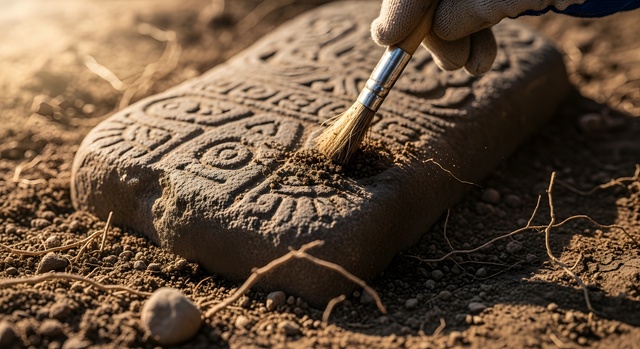
Archaeology is a fascinating topic for a unit study, and there are tons of great hands-on archaeology activities that can provide additional learning opportunities for students of all ages.
While you’re not likely planning a trip to Egypt in the near future, this travel blog has a great overview of who King Tutankhamun was, the discovery and excavation of his tomb, and its impact on, not only the fields of history and archaeology, but on the world as a whole.
Archaeology & History Hands-On Activities
For some ideas of other historical wonders to explore, check out these ten major archaeology discoveries, including Tutankhamun’s tomb, the Rosetta Stone, the Dead Sea Scrolls, and more.
This soil layers activity using LEGO is the perfect activity for active students, and a great way to incorporate hands-on learning into your archaeology unit study. Though this activity was originally geared toward a study of geology, it is easy to modify and adapt into an illustration of stratigraphic dating in archaeology. Find more information about stratigraphic dating and archaeology, as well as an illustration to use with your LEGO activity, here.
You Can Dig Archaeology Too!
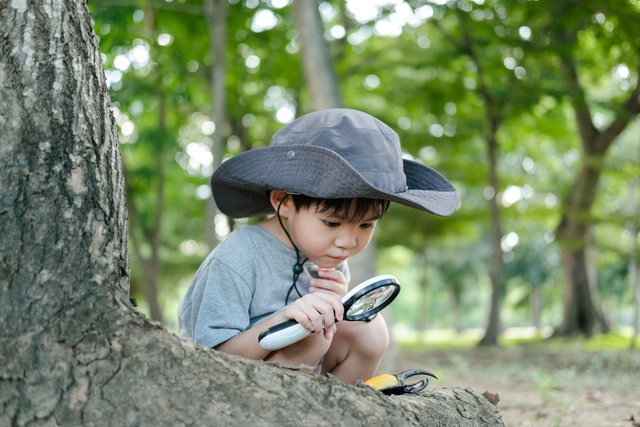
It might sound weird to describe archaeology as looking for clues in the trash, but it’s really not too far from an accurate description. This article about an archeological dig and its findings in Florida is a great example of the things we can learn and the inferences we can make from the discovery of past cultures’ discarded items. Play this Great Garbage Mystery game with your students to let them practice making inferences and hypotheses from the clues you provide. This is a simple activity to pull together with household items, and the “clues” can be changed up easily, so the game can be played several times if it sparks your students’ imaginations.
This mini archaeology dig activity from Blue House School does require a bit of setup on the parent’s end, but there is a great payoff in letting your child organize and conduct his own archaeological dig, while learning how to document his findings. It is also a well-contained project that can easily be performed indoors, so it can help satisfy some cravings for outdoor play even when the weather is not conducive.
*This article was originally posted on the Home Educators Association of Virginia (HEAV) blog. Used by permission. https://heav.org/archaeology-unit-study/

Megan Mora Fuentes
A homeschool graduate, Megan earned her associate degree while in high school. She has worked as an office manager for eight years. In her spare time, Megan enjoys kayaking, writing, and baking cookies for anyone who will eat them. She and her husband live in her hometown of Winchester.