What It Means to Be a Christian in Nigeria Today
That which was meant to shatter the church has instead honed it, shaping a faith that is hardened enough and pure enough to thrive in the most adverse of situations.
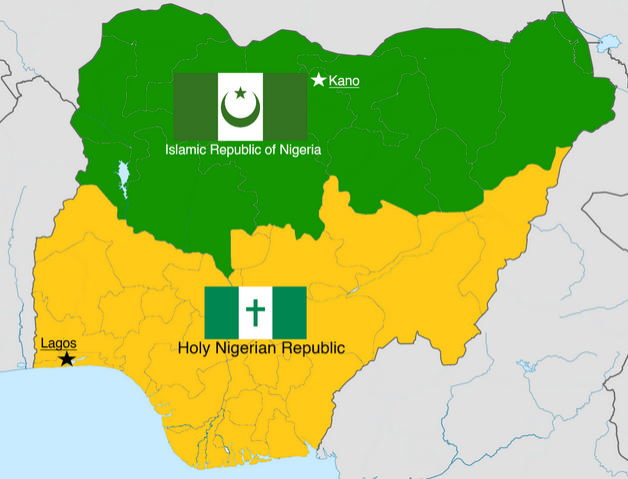
My name is Emmanuel Gbenga. You don’t know me, but if you are reading HisGoodNews.TV, you know my work because I am a Senior software developer for the site, and the words you read each day on this ministry are powered by my code. I was born and raised in Kaduna, a state in the northern part of Nigeria. My parents have been there for over forty years now. The violence against Christians was a big part of my childhood. It got rough sometimes. These experiences really shaped how I see suffering and what it means to keep going strong. I want to use this opportunity to tell you about my faith.
In Nigeria, being a Christian is not merely about attending church services every week and making prayers. It is a relationship of trust during the hardships, like a companion you hold dear, while you almost lose your fear with a very weak hold. Every Sunday, when we usually gather for worship service, it comes with a very real understanding of what may be waiting at one’s door: security threats, kidnappings, and attacks. These are not stories we merely read in newspapers; they are actually the day-to-day lives of Christians, particularly in Northern Nigeria. These fears did not arise overnight. For most of us, they are ingrained.
The Pre-2000s: Old Wounds and the Tough Faith
There had been instances of violence against Christians several decades ago. However, the early ’80s and ’90s had Christians living under the threat of violence that escalated to the level of killing.
To illustrate, the initial month of December in the year 1980 saw the violence of the Maitatsine movement in Kano. The death toll reached thousands; not only were churches set on fire, but whole districts were also reduced to ashes. It did not happen in Kano alone, as Christians living in the northern part of the country experienced violence following violence. Through it all, the Nigerian Church has survived. One hurt after another, the hurt of violence, of loss, of fear, of silence, and the Nigerian Church has not disappeared. Rather, it has been hurt, not shattered. That which was meant to shatter the church has instead honed it, shaping a faith that is hardened enough and pure enough to thrive in the most adverse of situations.

When Violence Became Personal: Kaduna, 2000
In the Year 2000, there was the imprint of Sharia law in Kaduna State, Nigeria. The law did not come softly; it came with fire. The streets I knew were transformed into war zones, and the blocks of buildings that had lived in harmony for so long were suddenly divided from one another in conflict. Muslims carried out violent attacks on Christians, and all that was familiar and tranquil was reduced to ash. The death toll may never be accurately counted, estimated somewhere between one thousand and five thousand lives.
For us living in Kaduna, this was something we lived through, something that wasn’t something we heard about on the radio or in the newspapers. This became a memory that we carried with us into adulthood, a memory that shaped how we understood religion and belief and how it could create a line through the middle of life in a place where belief could draw a line straight through life.
When a Global Event Turned Deadly: Kaduna, 2002
The healing process had just started when the violence again did not die out. Nigeria was preparing for the Miss World beauty pageant when one news article re-ignited the slaughter of Christians. The disturbances started in Kaduna and then quickly moved to other towns. The fire was raging in the city for another four days. Two hundred Christians had died, with many others injured, and an untold number left displaced.
The damage remained even when the beauty contest was moved elsewhere. The attack of Muslims on Christians never truly ended. It is spoken of today in the context of the larger Sharia crisis that erupted in 2000.
When Worship and Daily Life Are Not a Given: 2022- 2025
The members of the St. Francis Xavier Catholic Church, through the violent attack ascribed to ISWAP, lost their lives in 2022 in Owo State. The violence not only persisted during 2023 but also reached the Middle Belt region through attacks in 2024. Many hundreds had died; many villages had emptied.
The human rights organizations have stated that over 7,000 Christians have been killed in the first seven months of the year 2025, which is one of the periods when the most deaths have taken place in the last few years.
The violence did not end with the passing of such years, and rather it transformed itself and expanded in width. Currently, the Islamist insurgent groups such as Boko Haram and ISWAP, in association with the Fulani herdsmen, are targeting mainly Christian communities in parts of northern and central Nigeria.
In June 2025, gunmen raided the village of Yelwata, killing one to two hundred people. Thousands were forced to flee, including many Christians seeking refuge in Yelwata’s Catholic mission. A few weeks later, the ISWAP militia attacked Adamawa State, resulting in at least 11 Christians, with their homes being set ablaze, a church destroyed, and the survivors faced with the following options: convert, or pay up if you want to live.
The violence did not end there. Nigeria's state has witnessed raids leading to the death of at least 30 people and the abduction of many more. Rural Christians are finding the sense of security less and less attainable with every day that goes by.
A Hope That Will Not Be Silent
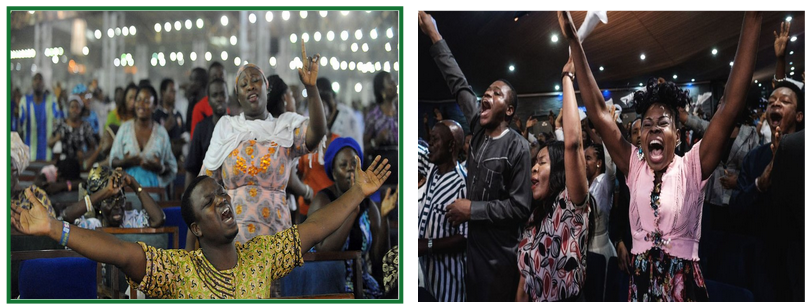
Notwithstanding the circumstances, the devoted still congregate. I have seen Christians coming together for worship even though their places of worship were no longer standing after the fire, and only ashes were left. They have rebuilt homes, schools, and sung praises in the very same environments where grief still lingers. They invite their neighbors in, whether or not they believe, and on certain evenings, the prayers stretch until dawn. They choose to surrender control when the future is uncertain and depending on “the assurance that states, 'Though I walk through the valley of the shadow of death, I fear no evil because you are with me.” (Psalm 23:4).
This is what faith looks like. This is what the early Church practiced, and this is what Nigerian Christians practice today.
The situation in Nigeria is not merely a news report but rather a very important signal for Christians everywhere. Pray that the Lord will not only give you comfort but also strengthen you, and let the prayers be tangible expressions of the above. As Peter writes, “Cast all your anxiety on him because he cares for you” (1 Peter 5:7). For the Christians in Nigeria, this is more than just a source of comfort; it is a lifeline. It is one of the reasons why they keep on being so strong in faith.
Source Reference:
- U.S. Commission on International Religious Freedom (USCIRF). Report on Christian communities in Nigeria, including Maitatsine attacks in the 1980s. Link
- Zango Kataf Riots, Kaduna (1992). Nigerian Journals Online. Link
- Ilorin Clashes, Kwara State (1999). ACCORD Journal. Link
- Kaduna Sharia Riots (2000). Wikipedia. Link
- Miss World Riots, Kaduna (2002–2003). Wikipedia. Link
- Miss World Riots, Kaduna (2002–2003). Human Rights Watch. Link
- Owo Church Attack (2022). Atlantic Post. Link
- Yelwata Village Attack (June 2025). Atlantic Post. Link
- Adamawa State Attacks (2025). Truth Nigeria. Link
- Adamawa State Attacks (2025). Atlantic Post. Link
- Niger State Raid (2025). AP News. Link
- Middle Belt Attacks (2023–2024). This Day Live. Link
- Reported Deaths in First Half of 2025. Atlantic Post. Link
- Claims of Systematic Targeting / Genocide. Living Church. Link
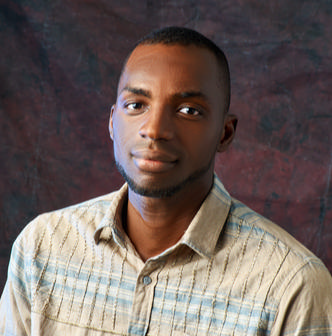
Emmanuel Gbenga
Emmanuel Gbenga is a senior software engineer, technical writer, and technology advocate living in Abuja, Nigeria. He has a degree in computer science and has worked for several software development organisations both locally and globally. He is also devoted to spreading the Gospel of Jesus Christ, which he promotes through his apps and writings. He is happily married and has one child.