

Botany for Your Homeschooler
April Showers Bring May Flowers
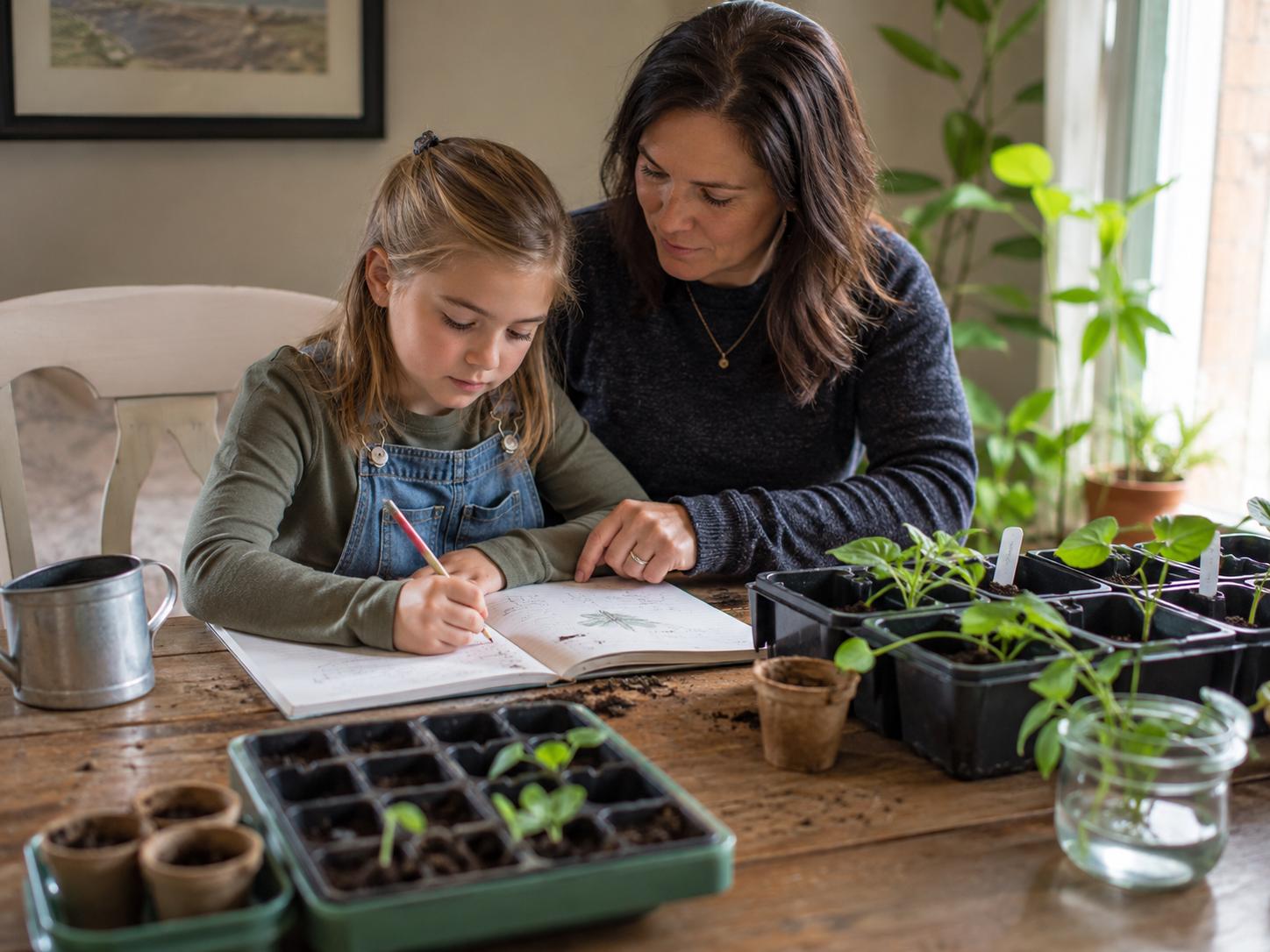
ou’ve probably heard the saying, “April showers bring May flowers”—and if you followed along with last week’s Homeschool Living, you might even have measured a few of those showers yourself! Now that May is here, it’s time to enjoy the results of that springtime rainfall. Buds are bursting, gardens are growing, and everything feels a little more alive. That makes May the perfect month for homeschool science lessons centered around plant life cycles, gardening, and the wonders of spring science.
Spring into Botany
Springtime is the best time to study the growing things all around you. Plants in your backyard, flowers in your garden, and trees in your neighborhood are all wonderful subjects for homeschool science activities focused on botany and horticulture.
One of the simplest ways to bring spring science to life is by starting seeds. Watching a tiny seed sprout into a leafy plant can feel magical—especially for young learners. It’s also a natural gateway into life science concepts like germination, photosynthesis, and pollination, all in the context of your daily surroundings.
Growing seeds with kids is a rewarding and educational homeschool science project, and it’s especially effective when you choose seeds that are easy to handle and fast to sprout. For younger students, success in the garden can boost curiosity and confidence. Check out this list of kid-friendly, fast-growing seeds that are perfect for a hands-on spring science unit.
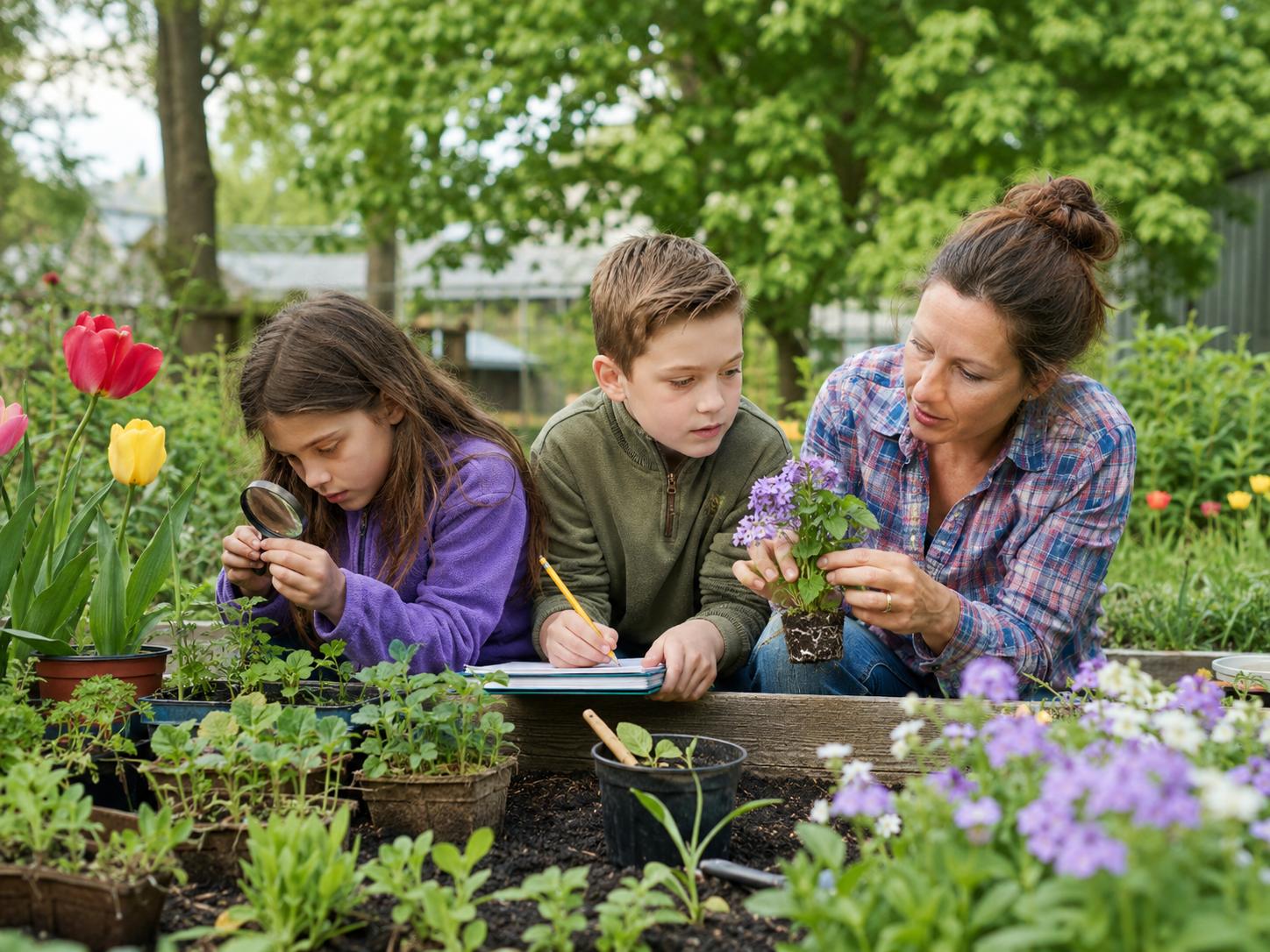
Once your seedlings start thriving, you’ll reach the next big milestone: transplanting. This part of the plant life cycle offers a wonderful opportunity to teach care, observation, and patience. These simple tips for transplanting seedlings from One Creative Mommy will help your students ease their plants from the seed tray to the soil with confidence.
The Science of Growing
As your garden blossoms, dive deeper into the biology behind it all with interactive and creative spring science projects. Learning about the plant life cycle—from seed to sprout, bloom, and back to seed—is a perfect way to link hands-on activities with scientific understanding. Explore these 33 creative plant life cycle ideas for crafts, diagrams, videos, and printable worksheets that make your homeschool science unit even more engaging. You can also add fun, online reinforcement with this interactive life cycle activity from Science Kids, perfect for reinforcing what your children see growing in your garden.
May Flowers, Growing Minds
May is more than just a month of blossoms—it’s a season full of learning opportunities. Whether you’re digging into soil, observing tiny sprouts, or charting the growth of your sunflowers, you’re planting the seeds of curiosity, responsibility, and discovery. So grab your garden gloves, gather your tools, and let spring science bloom in your backyard!
*This article was originally posted on the Home Educators Association of Virginia (HEAV) blog. Used by permission. https://heav.org/homeschool-science-may-flowers/

Megan Mora Fuentes
A homeschool graduate, Megan earned her associate degree while in high school. She has worked as an office manager for eight years. In her spare time, Megan enjoys kayaking, writing, and baking cookies for anyone who will eat them. She and her husband live in her hometown of Winchester.