
Coarse Correction
The Example of William Wilberforce Amid a Profane Culture

It used to be that profanity drew an R-rating in Hollywood, but today, it’s just another messaging tactic in a political speech or social media post. Today’s politicians are often cursing and name-calling to show how serious they are about a given topic or how angry they are. And constituents from both parties seem just fine with it.
As an evangelical, I long for the days of William Wilberforce — the member of parliament credited with ending the slave trade in the British Empire in 1807, which was no small task. In fact, after his death in 1833, black leaders in New York City heralded him as the “Hercules of Abolition.” In 1858, Abraham Lincoln had written that every child in a school in America was familiar with William Wilberforce. But despite the gravity of this issue, he always took the high ground with language.
It is the pillars of political thought Wilberforce adopted after his religious conversion that laid the groundwork for this remarkable life change, including the words that flowed from his mouth. According to Dr. Michael McMullen, a church history professor from Midwestern Baptist Theological Seminary, Wilberforce believed that “as an evangelical Christian, God had led before him these two great objects, the abolition of the slave trade and what he referred to as the reformation of manners.” And when it comes to our language, he told Family Research Council President Tony Perkins on a recent “Washington Watch,” the goal was to have “an impact on society for good, in whatever way that’s possible, especially as that you could bring about as a Christian leader.”
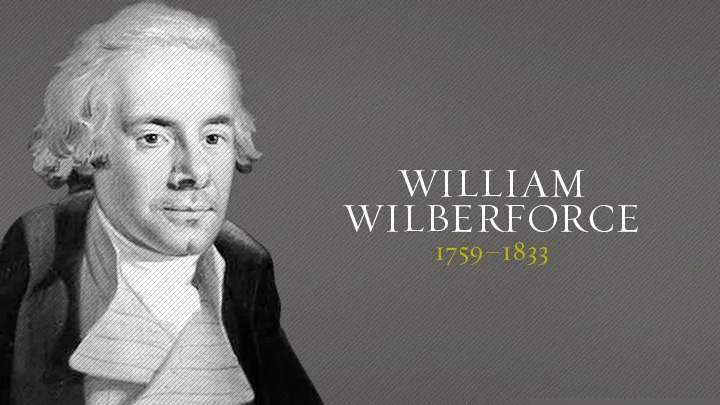
Wilberforce set about building a coalition of people and organizations who would do great good. He made it his goal to make “goodness” fashionable among the leadership class of his day. This allowed him and his diverse band of followers to be instrumental in starting charities with a variety of missions: educating the blind, printing and distributing Bibles, promoting animal welfare, treating ailing seamen, sponsoring vaccination efforts, easing the plight of the poor, and even helping those in debtors’ prisons. He saw the value of allowing others to assist in whatever way they wanted to, while keeping his words principled and edifying. England avoided a civil war in its effort to end slavery, and Wilberforce was the one who got that credit.
As McMullen underscored, “Most people know about his incredible work in the abolition of slavery. But maybe most people are not aware of how much of his life he dedicated to actually affecting society, how people live, how they treat each other, the language they use, the laws that are passed.” The professor paused before adding, “He tried to make goodness fashionable. He tried to affect how people spoke, how they acted, how they treated each other. And of course, his hope was that Christianity would increasingly be the way that people would be able to do that, [and that] God would play a part in Britain.”
Despite how divided we are as a nation, McMullen argued that our use of language “is very important.” “If we believe that our message is credible, and we want to put forward policies that people will support,” then our choice of words can either do great help or harm. “We live in a time in America where, politically, it’s probably the most polarized it’s been since the Civil War. And it would be [wise] for leaders to do everything that they could to not exacerbate that polarization.” Scripture reminds us, “Out of the heart the mouth speaks” (Luke 6:45). As Christians try to impact the culture, “hopefully, people will be influenced to talk in a similar way — [a way] that’s uplifting and positive and encouraging,” the professor said.
Wilberforce used words — both spoken and written. King Solomon, the wisest king in history, validates his strategy in Proverbs 25:11 by giving us the standard, “A word fitly spoken is like apples of gold in a setting of silver.”
*Published by The Family Research Council at frc.org (1-800-225-4008; 801 G Street, NW, Washington, D.C. 20001) Authored by Tim Echols on April 13, 2026.
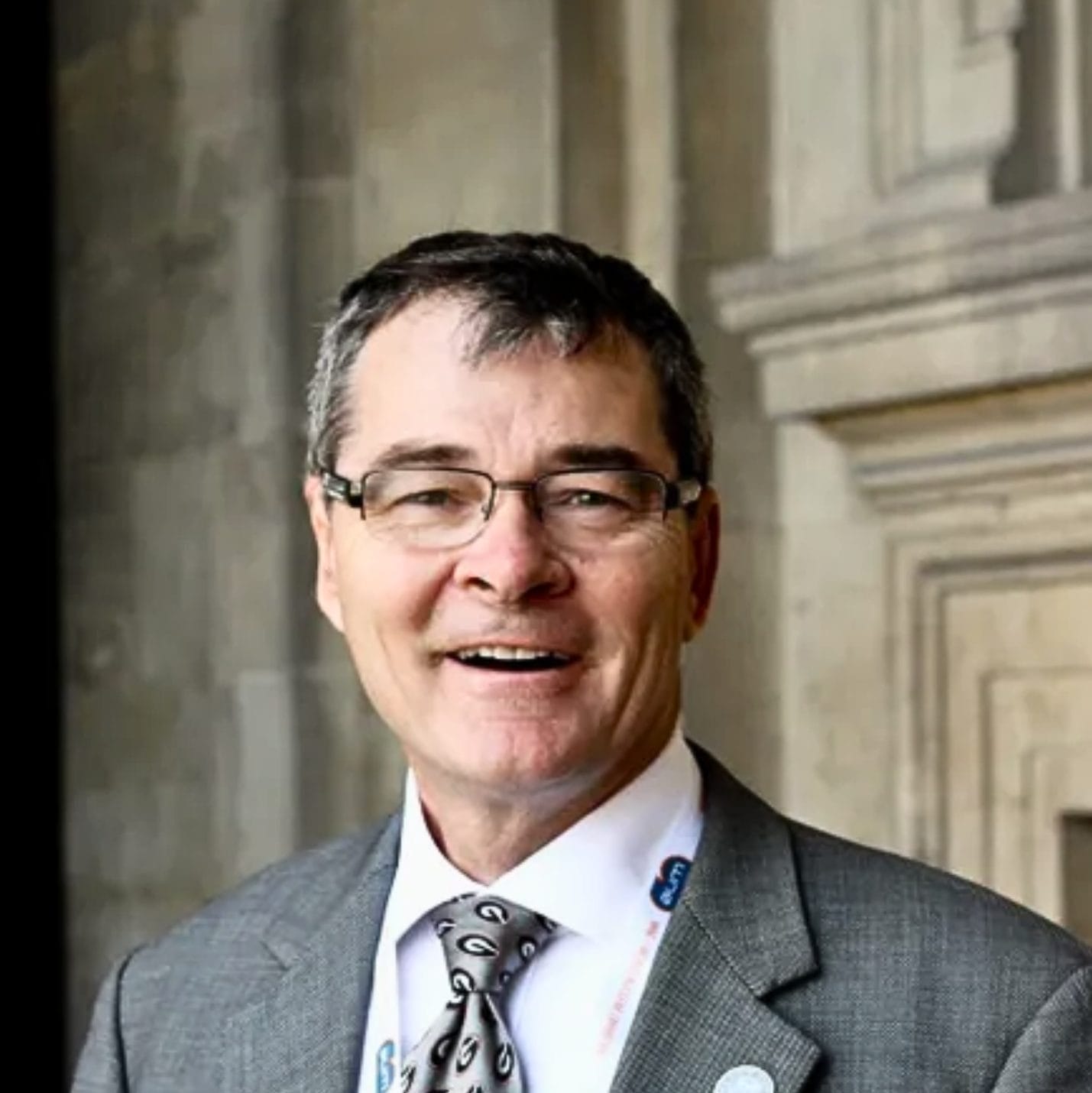
Tim Echols
Tim Echols is the founder of the Wilberforce Fellowship, TeenPact, and the UnHoly Tour. He is the executive director of Pray Vote Stand Chapters for Family Research Council.