

Behind Doesn't Mean Broken
What Happens When Students Fall Behind and How to Help Them Catch Up

Have you ever worried if your homeschooled child is keeping up in school? You are not alone. This worry can grow especially as lessons become more challenging or as progress slows down. When parents notice their students falling behind in school, it can stir up fear fast. This fear can lead to stress over how to correct the issue. But homeschooling allows you the flexibility to make adjustments that fit your child’s specific needs.
For many parents, one of the hardest parts of homeschooling is knowing when to push ahead and when to take a pause. The first step is to take a deep breath and realize that a slow season does not mean failure. Often, it means your child needs a different pace, a new approach, or a little more support.
Understanding What Falling Behind Means in Homeschooling
In a homeschool environment, you may not have as many points of comparison to other students of the same age. So how do you know if your child is making steady progress? Test grades, behavior, and foundational skill development can all help you get an accurate picture of where your child is.
Slipping grades, difficulty with foundational skills (e.g, reading, writing, and math), or a lack of confidence can provide clues that your child may need some extra attention in a certain area. A few key adjustments to the learning approach can make all the difference!
Remember that it is normal for a student to progress at different rates in different subjects. For example, your child may read above grade level but struggle in math. That does not mean your child is failing. It means growth is uneven. This uneven growth is even more obvious when you teach more than one child. Teaching children of multiple ages can make you more aware of different learning needs.
How Falling Behind Looks at Different Ages
In the early years, a student might start avoiding schoolwork. A young child may drag out lessons, guess at answers, or forget skills that seemed solid last month. As a result, the child may become a reluctant learner. That can feel scary, but early gaps are often easier to fix than you might think.
In the middle grades, the signs often look different. Frustration may grow, and weak spots may become easier to spot. The student’s motivation may decrease. Writing may seem like an impossible task, or thoughts of math may spark anxiety. At this stage, students know they are struggling, but they may not know why or how to fix it.
For high school students, falling behind in school can feel personal. A teen may worry about college acceptance, graduation, or future plans. That pressure can lead to anxiety, poor performance, and low confidence. When that happens, it helps to remember that many strong students go through seasons like this. A rough stretch does not define the whole story.
Emotional Impact of Falling Behind
When students have a learning gap, the emotional weight can be harder than the academic gap. Your student may stop trying for fear of embarrassment.
Parents carry this weight too. When we see our students struggle in a certain area, we may feel distressed at having no quick fix. However, a calm response is the most valuable approach. To learn properly, a child must first feel safe in the learning environment. A parent who takes the time to manage his or her own response can often see the problem more clearly. Sometimes a simple change in the emotional approach to homeschooling can make all the difference.
Identifying the Real Learning Gap
Before you make a big plan, you must first find the actual gap in the student’s learning. There are a few ways to do this.
First, avoid over-testing. Smaller moments every day carry more weight. Listen during instruction times and note patterns in wrong answers. Ask a child to explain a process out loud. Track recurring problems in writing samples. These are small but significant ways to identify gaps.
Second, look for foundational gaps. Many struggles start small. A child who has trouble with multiplication or division may struggle later with fractions. A child who missed key phonics concepts may stumble in reading fluency or spelling. Addressing these root issues can help your child catch up.
Third, separate skill problems from motivation problems. Resistance is not always laziness. Sometimes a child pushes back because the work feels confusing or overwhelming. If a child seems checked out, talk with him or observe his work before assuming the problem is only his attitude.
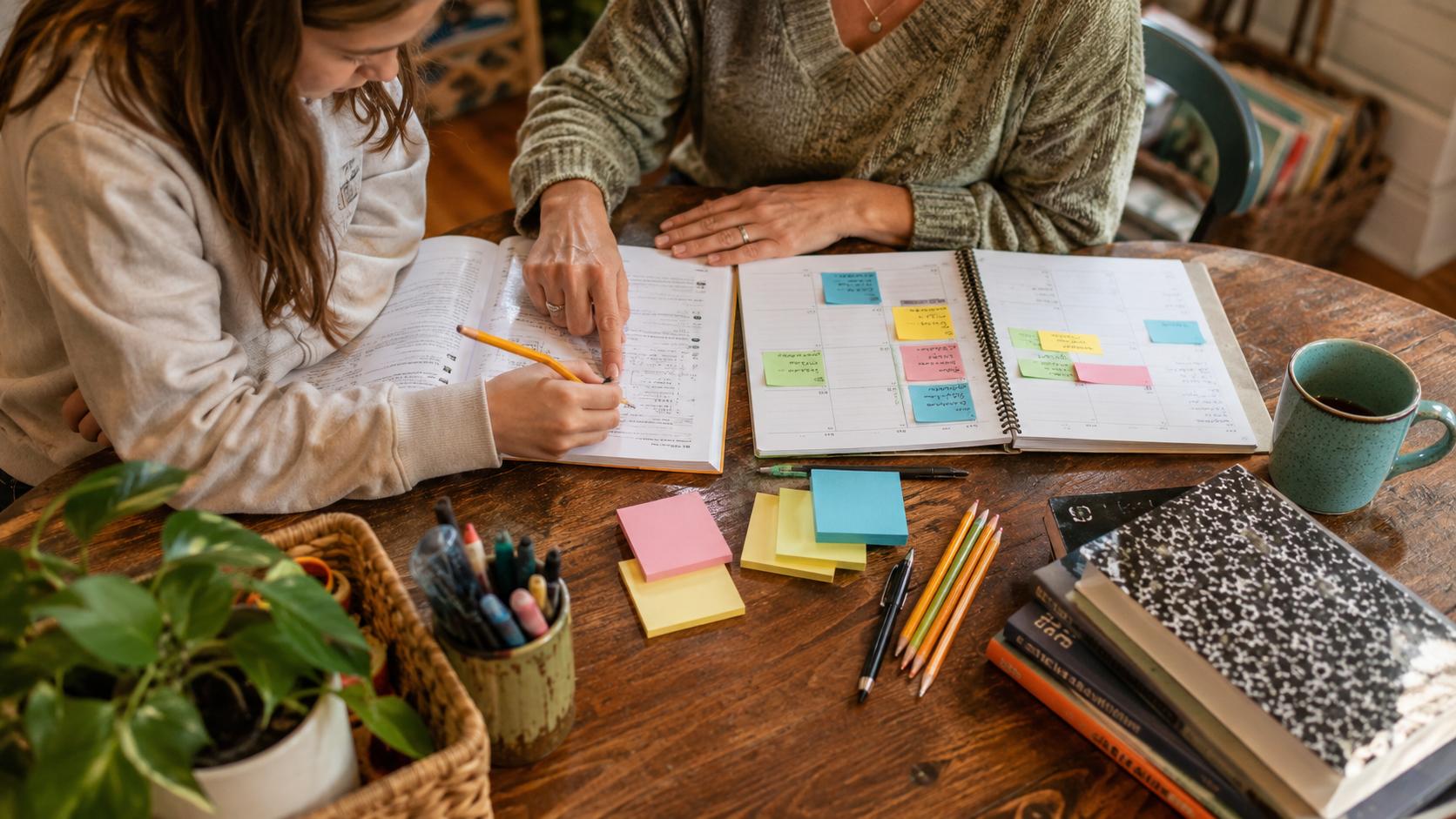
Effective Catch-Up Strategies for Homeschool Families
Once you identify the learning gap, small adjustments to the learning approach can help your child catch up.
One helpful approach is spiral learning. We are often tempted to teach a concept once, move on, and hope things stick. Instead, circle back often. Review old material in short bursts as you move on to related skills.
Another strategy is focusing on addressing and correcting one problem area at a time. Do not try to repair every gap in one week; this is too much for your child and for you. Take a step back and focus on reviewing one specific area of struggle. Small wins can create the momentum a child needs to keep going.
Family-style learning can help too, especially in bigger families. You can complete activities in Bible, history, writing, and science together. This also provides a collaborative environment. Then you can adjust expectations by age. Shared learning can also strengthen a child’s confidence.
Most importantly, set realistic goals. The real measure of success is not that you finish every single assignment in your curriculum. It is better to focus on your student’s specific learning needs.
When Slowing Down Is the Best Solution
Sometimes the best catch-up plan is slowing down. BJU Press curriculum offers many learning opportunities and has a strong scope. But remember that it is often not possible or reasonable to complete everything in the curriculum. That’s not a failure. Focus on what your child needs most.
Meltdowns during lessons, frequent forgetting, and emotional shutdowns are signs to pause. Too much pressure will not increase learning and may instead have a negative effect.
Shorter lessons can help you focus on specific needs. A temporary focus on one or two core subjects can also help. You do not have to do every subject at full speed during every season.
While slowing down may seem difficult, it can give your child what he or she needs to build understanding and confidence. Slowing down lowers stress, giving both parents and children room to breathe.
Realistic Timelines for Catching Up
The best learning often takes place in the quiet weeks before a breakthrough. Confidence tends to grow the same way. Momentum comes after understanding.
There is no simple answer to how fast a child can catch up. Instead, as a child begins to fill the gaps, it is important to celebrate the small victories each day. You are laying necessary groundwork. Remember, small adjustments are the key!
Knowing When More Support Is Needed
Sometimes a student may need more help than you can provide at home.
Do you think your child is experiencing deeper issues beyond normal learning gaps? Consider looking for deeper support. Different types of evaluation can offer insight and relief. Extra support does not mean you have failed. It means you are paying attention and getting your child the help he needs.
Short-term support can also make a big difference. A few months of tutoring in math or reading may be all a child needs. The goal is not to hand off homeschooling. The goal is to get the right support at the right time.
Encouragement and Perspective for Homeschool Parents
Do not get discouraged if your child has a learning gap. The fact that you noticed shows that you are doing your job well. This awareness gives you time to respond and adjust before a small gap becomes a large one.
The real strength of home education is the flexibility it provides. You can slow down, review, adjust, and rebuild as needed. You can shift deadlines and adjust timelines. You can focus on your child’s individual learning needs without the pressure of moving ahead too fast.
Always start with grace. Observe your student and choose the next step. When you adjust based on what your child needs, learning can become more personal, more effective, and more hopeful.
In the meantime, you may wonder what tools are available as a starting point. One helpful way to measure your student’s current performance is with BJU Press Homeschool’s Skill Assessments. These free tests aren’t meant to exactly measure a student’s potential. They instead help homeschool parents like you determine future instruction for your children. Search for skill assessments by subject and grade on the BJUPress Homeschool Website.

BJU Press Guest Writer
This post was written by a guest writer for BJU Press. If you have any questions regarding this post, please direct them to [email protected].