Mountaineer Opportunity
School Choice Looks Different in West Virginia
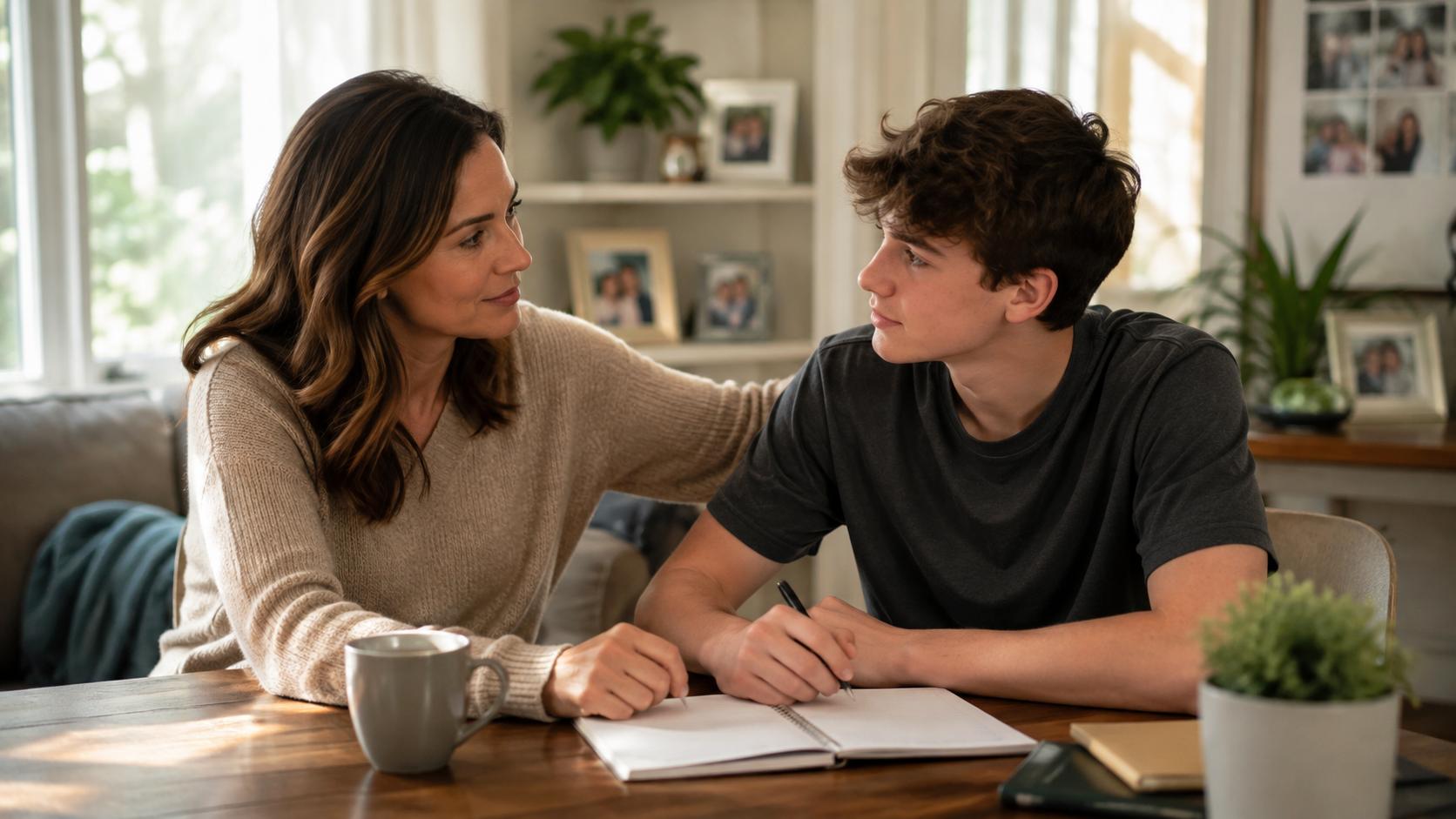
The Associated Press recently published a serious investigation into the growth of private school choice programs across the country. Its central concern is that many programs are not primarily serving the public school students they were designed to help. The article follows a Texas mother who wanted a better fit for her son, but found herself caught in deadlines, disability documentation, priority categories, and unanswered questions.
Those concerns should not be dismissed lightly. But West Virginia is not Texas. Our situation is different, and that difference matters.
The AP article presents a national movement that, in some states, seems to reward families who already know how to navigate complicated systems. Those with more information, transportation, flexibility, and experience with private or homeschool options are often better positioned to benefit. In Texas, the AP notes that lawmakers dropped a provision that would have reserved 80 percent of first-year education accounts for students leaving public schools. The article also reports that evidence from other states suggests many scholarships go to children already in private school or homeschool settings.
That concern deserves a fair hearing. No Christian should want public policy that blesses the already well-positioned while leaving struggling families behind. If a program promises opportunity but mainly rewards the informed and already connected, then it should be examined with honesty.
Yet West Virginia’s approach is not best understood through that same lens. The Hope Scholarship is being built in a different educational landscape. West Virginia is rural, relational, and often limited in institutional options. There are not private schools on every corner. In many communities, the local public school remains central to the life of the town, and many faithful Christian teachers, coaches, aides, and administrators serve there with integrity. A pro-family vision of education in West Virginia does not require disdain for public educators. It requires respect for them and honesty that one model cannot serve every child.
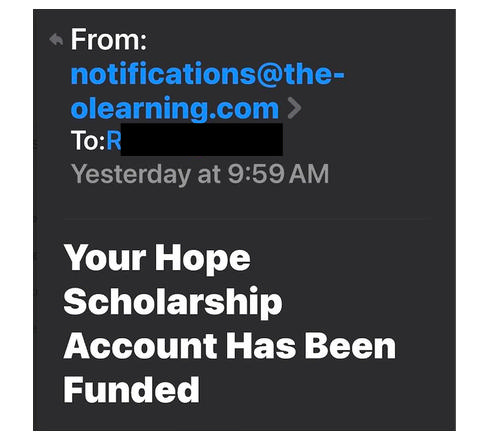
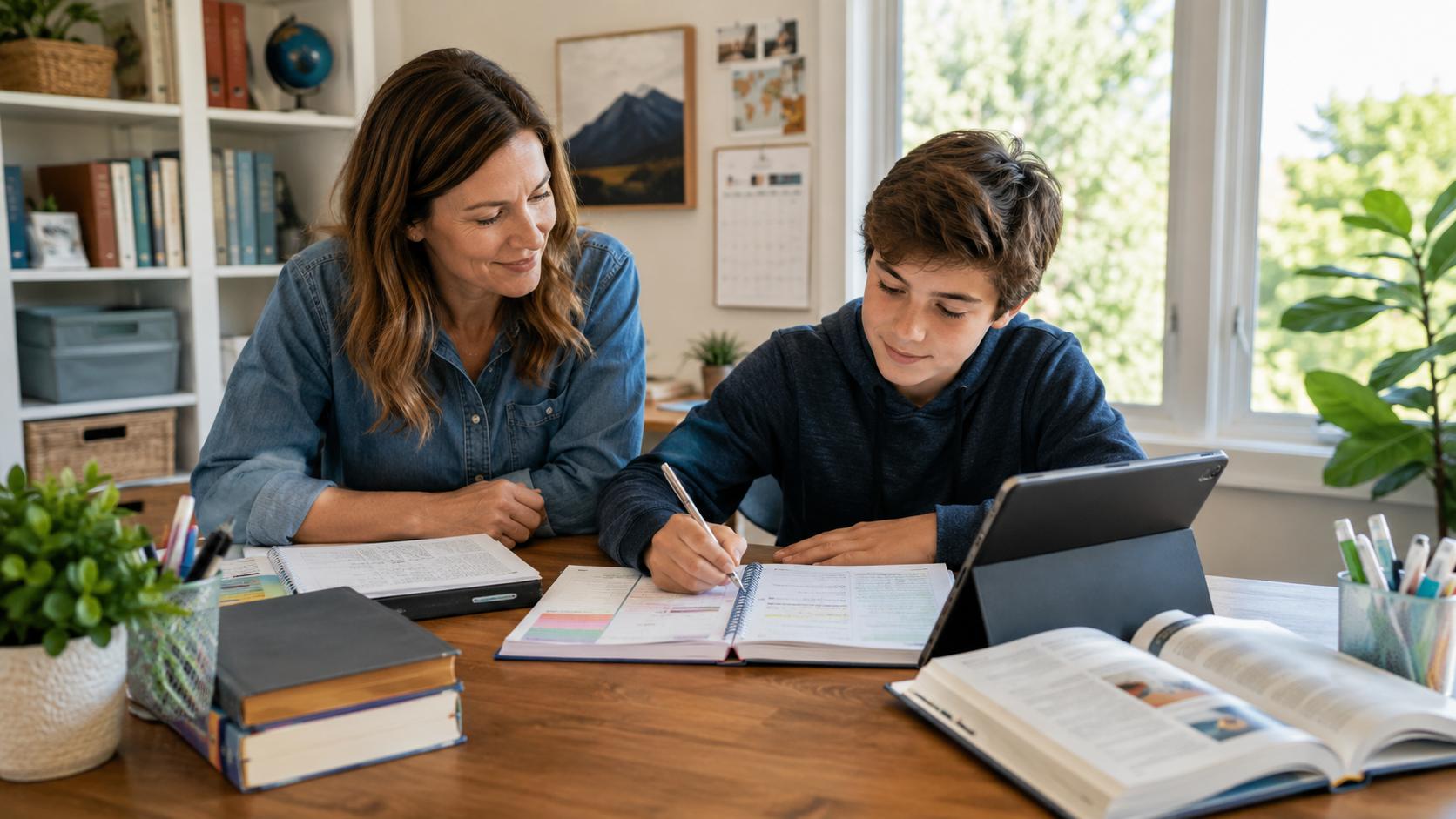
That is why the Hope Scholarship matters. Beginning with the 2026-2027 school year, eligibility expands to all West Virginia students who are eligible to enroll in public school in grades K-12, including students already in private school and traditional homeschool students who were previously excluded. The expected scholarship amount for 2026-2027 is $5,435.62. The program recognizes that parents are the primary stewards of their children’s education and that many families have been making costly sacrifices for years.

Some critics will say this proves the AP’s point. But in West Virginia, support for current private and homeschool families should not be treated as a scandal. It may instead be a needed correction. If education funding is meant to serve children, then the child should matter more than the building in which the child learns.
This is not anti-public school. It is pro-parent, pro-child, and pro-educator. A healthier school choice environment may help public educators by reducing the expectation that one system must meet every need. Public schools should be strengthened where they are serving well. Christian schools should be honest about their own limits, quality, mission, discipline, and capacity. Homeschool families should be encouraged, not romanticized. No option is perfect because no family, school, teacher, or child is perfect.
For readers of His Good News, the deeper issue is not merely political. It is theological. Children do not belong first to the state, the market, or even to educational institutions. They are gifts from God, entrusted first to parents, who must raise them in wisdom, truth, discipline, and love. That responsibility cannot be outsourced entirely, even to excellent schools. But wise parents often need partners, and those partners may look different from family to family.
West Virginia’s school choice conversation, at its best, is not about privatizing everything or abandoning the public square. It is about allowing families to pursue formation that is faithful, fitting, and possible. It gives parents more room to respond when a child is struggling, thriving, bored, anxious, gifted, spiritually hungry, or simply in need of a different setting.
The AP article is useful because it reminds us that school choice programs can be designed poorly and used in ways that miss families most in need. West Virginia should learn from that warning. But we should not assume that every state’s story is the same story. Here, the opportunity is not merely to move money. It is to widen responsibility, strengthen families, honor educators, and encourage a richer ecosystem of education.
That is a good thing for West Virginia. Not because every family will make the same choice, but because parents will have more freedom to make the choice they believe is right for the children God has placed in their care.

HGN Staff
His Good News magazine seeks to unite and empower parents, educators, legislators, and voters in West Virginia to support and advance Christian education, religious freedom, and conservative values. By fostering a strong Jesus-based foundation within our communities, we can influence legislation, protect religious freedoms, and ensure that our children receive a quality Christian education.