
Roots, Shoots, and Sunlight
A Homeschool Botany Unit
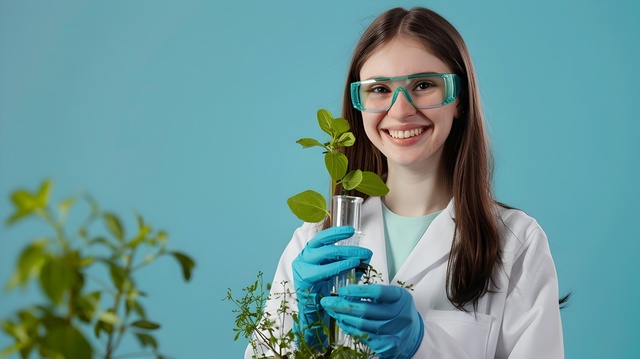
Spring brings longer days, warmer soil, and the quiet return of green shoots pushing up through the earth. As gardens awaken and windowsills fill with seedlings, it’s the perfect time to explore how plants respond to light and heat. These everyday observations open the door to fascinating botany concepts that are easy to investigate right at home.
Plants may appear still and silent, but they are constantly responding to their environment. They bend toward sunlight, adjust their leaves to capture warmth, and time their growth carefully to match the changing seasons. These responses are part of what scientists call phototropism—growth toward light—and thermotropism—growth influenced by temperature.
Understanding these ideas helps students see plants not as passive objects, but as living organisms actively interacting with the world around them.
Phototropism: Plants on the Move
Have you ever noticed a houseplant leaning toward the nearest window? That gentle bend is a perfect example of phototropism, the process by which plants grow toward light sources.
Light is essential for photosynthesis, the process plants use to turn sunlight into energy. When light reaches one side of a plant more than the other, growth hormones inside the stem shift toward the shaded side. Those cells stretch longer, causing the plant to bend toward the light.
These phototropism experiment ideas from Science Buddies provide step-by-step ways to observe how plants respond to different light conditions.
Exploring Heat and Germination
Heat also plays an important role. Seeds germinate more quickly in warm soil, and plants often grow faster as temperatures rise. This response to warmth is sometimes called thermotropism, and it explains why gardeners often wait for the soil to warm before planting tender crops.
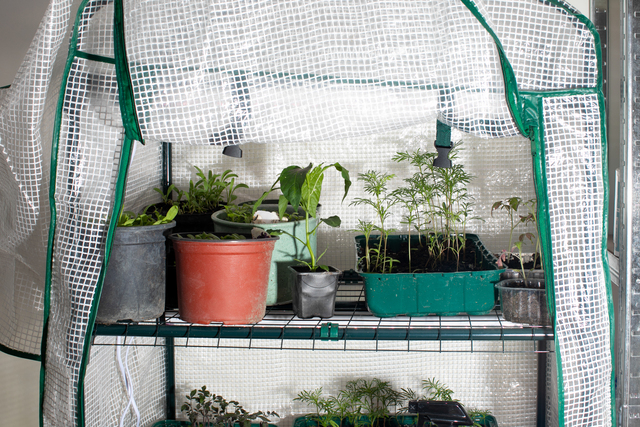
Creating a mini greenhouse using recycled containers is an easy way to explore how warmth affects germination. This method traps heat and moisture, creating ideal growing conditions for seeds.
You can follow this helpful guide on making plastic container and plastic bag greenhouses, which walks families through creating a simple warm environment for seeds using materials commonly found at home.
Try planting identical seeds in two locations—one inside the mini greenhouse and one outside of it. Encourage students to observe which seeds sprout first, how many days germination takes, and whether warmth changes growth speed. Students can record results in charts or graphs, turning this simple project into both a science and math lesson.
Language Arts and Nature Study Connections
Botany lessons offer rich opportunities to connect science with language arts and observation skills—two hallmarks of meaningful homeschool learning. Try keeping a nature journal recording daily plant growth, sketching seedlings as they bend toward the light, and learning new vocabulary such as phototropism, thermotropism, and germination.
Older students might research plants that grow particularly well in your region and explore how farmers and gardeners use temperature data to determine planting dates, while younger students can practice measuring plant height with rulers and comparing growth over time.
These simple extensions help transform a small science experiment into a cross-curricular learning experience.
*This article was originally posted on the Home Educators Association of Virginia (HEAV) blog. Used by permission. https://heav.org/homeschool-botany-lesson/

Megan Mora Fuentes
A homeschool graduate, Megan earned her associate degree while in high school. She has worked as an office manager for eight years. In her spare time, Megan enjoys kayaking, writing, and baking cookies for anyone who will eat them. She and her husband live in her hometown of Winchester.