A New Era of Educational Freedom
White House Celebrates School Choice at Rose Garden Event

On August 24, the White House hosted a back-to-school event in the Rose Garden to highlight the administration’s work in education, with a particular focus on expanding school choice through the Education Freedom Tax Credit.
President Trump delivered remarks to highlight the administration’s education priorities and accomplishments, including expanding school choice, supporting prayer in public schools, downsizing the Department of Education, and renewing a focus on patriotic education. He emphasized his commitment to school choice by pointing to the efforts to expand the use of 529 saving accounts for K-12 expenses, as well as the establishment of the EFTC.
Established through the Working Families Tax Cut Act, commonly known as the One Big Beautiful Bill that became law last year, the EFTC created the nation’s first national school choice tax credit program. The EFTC provides a dollar-for-dollar federal tax credit of up to $1,700 for donations to scholarship granting organizations (SGOs), which in turn provide scholarships to families for qualified educational purposes, including private school tuition.
For West Virginia families, that national policy is becoming a particularly significant local opportunity. West Virginia has elected to participate in the program beginning in 2027, opening the door for qualified SGOs to receive tax-credit-eligible contributions and use those gifts to provide educational scholarships. Beginning January 1, 2027, taxpayers will be able to receive a federal tax credit of up to $1,700 for qualifying contributions. Because the credit is dollar-for-dollar, an eligible $1,700 contribution can reduce a donor’s federal income-tax liability by the same amount.
For WVCEA schools and families, WV Accord Kids provides a way to translate that federal policy into assistance for Christian education in West Virginia. Powered by WVCEA in partnership with the American Association of Christian Schools Children’s Scholarship Fund, the program is designed to connect tax-credit-supported charitable giving with scholarships that can help families meet qualified educational expenses.
That distinction is important. The EFTC is not simply another government funding program for private schools. Scholarship funds are generated through private charitable contributions to SGOs. Rather than sending those dollars into a general governmental education program, taxpayers have an opportunity to direct qualifying charitable contributions toward scholarships that can help families pursue educational options consistent with their convictions.
For Christian schools, that could have a considerable cumulative effect. A scholarship that helps close even part of the gap between what a family can afford and the cost of tuition may make Christian education possible for a student who otherwise could not attend. For existing families, scholarship assistance can ease the financial strain of continuing the education they have already chosen. And for WVCEA schools, broader access can strengthen enrollment and expand their ability to serve families in their communities.
“We want every parent to have the power to send their child to a high-quality school that shares their values. It’s so important,” stated the President.
He concluded his remarks by stating, “In everything we do, we’re empowering our nation’s parents. We’re restoring high standards and the pursuit of excellence. And we’re proving that the golden age of American education is just beginning.”

Secretary of Education Linda McMahon also spoke about the Department’s efforts to return power to the parents and reduce federal control in education. She highlighted the initiatives to withhold federal funding from DEI programs, and grant waivers and Ed-Flex authority to states, both of which are intended to give states and local communities greater flexibility in determining education policies. She also emphasized the efforts to strengthen parental rights and expand school choice through the EFTC.
“We are breaking the grip of the education monopoly in D.C. and putting the future of our children back into the hands of those who know them, love them, and are best positioned to help them reach their God-given potential,” stated McMahon in her remarks.
That emphasis on parents is especially relevant to the Christian education community. School choice is ultimately about more than creating additional institutions or funding mechanisms. It recognizes that parents bear the primary responsibility for directing the education of their children and should have meaningful opportunities to choose an educational environment consistent with their convictions.
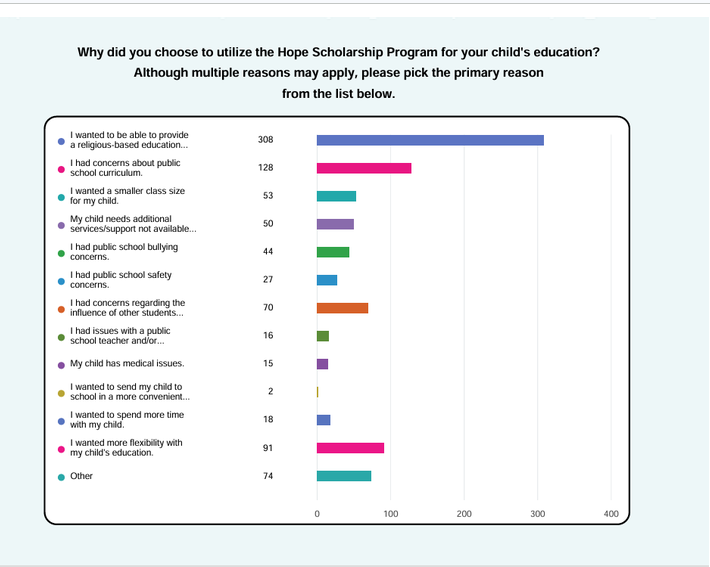
West Virginia has already become one of the nation’s more significant laboratories for educational choice through programs such as the Hope Scholarship. The EFTC adds another tool, but one that works differently. Instead of replacing existing programs, it creates a new avenue through which private generosity and federal tax policy can work together to make educational opportunities more accessible.
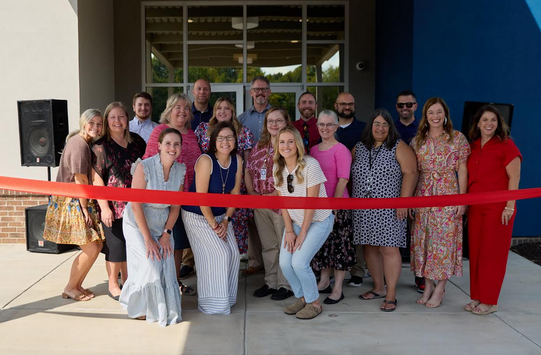
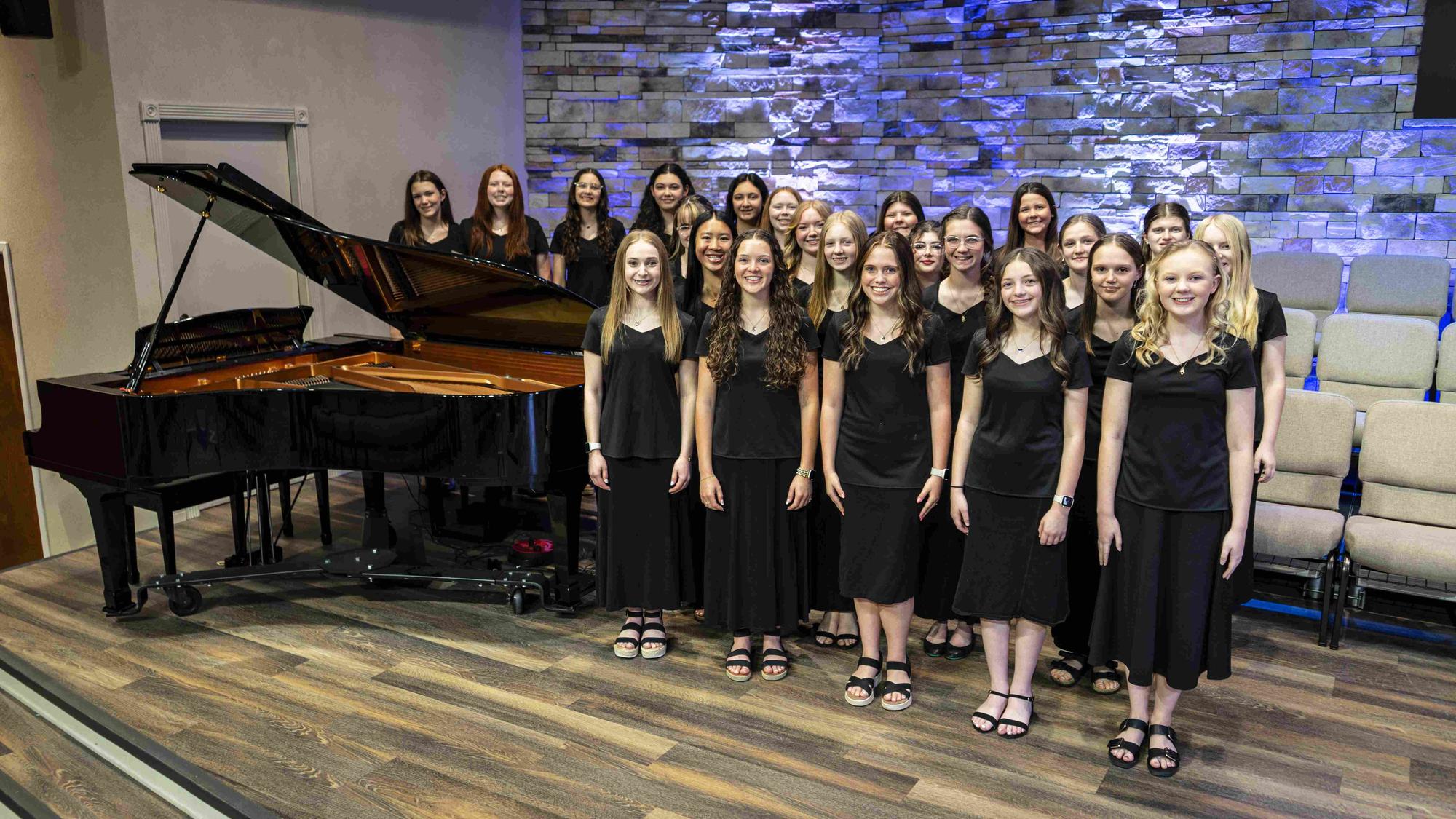
Dr. Jamison Coppola, AACS government affairs director, represented AACS at the event joined by families from one of our AACS schools.
“We are grateful for the administration’s unwavering commitment to school choice and returning the rightful role of parents in their children’s education. For Christian school families, the Education Freedom Tax Credit represents an important step toward making the education they value and choose more accessible,” remarked Dr. Coppola.
“We are excited to see how this new opportunity will open doors for more families to pursue a faith-based education and give parents greater freedom to choose the schools that align with their convictions and their children’s needs.”
For WVCEA families and schools, those doors are now beginning to take concrete shape. As implementation moves toward January 2027, the opportunity will depend not simply on the existence of the federal credit, but on Christians, schools, churches, families, and other taxpayers understanding how it works and choosing to participate.
The potential is significant: federal tax dollars that would otherwise simply be paid to Washington can, within the provisions of the program, help generate scholarships for students. For Christian education in West Virginia, the result could be more families able to choose a school that reinforces rather than competes with the faith and values they are teaching at home.

AACS Policy Office
AACS – the American Association of Christian Schools – is one of the leading organizations of Christian schools in the country. Founded in 1972 and now in operation for fifty years, the AACS serves over 100,000 students and teachers in member schools throughout the United States. The general purpose and objectives of AACS are to aid in promoting, establishing, advancing, and developing Christian schools and Christian education in America.