
Faithful Citizenship at the Ballot Box
Voting offers Christians a practical way to weigh public choices against their convictions.
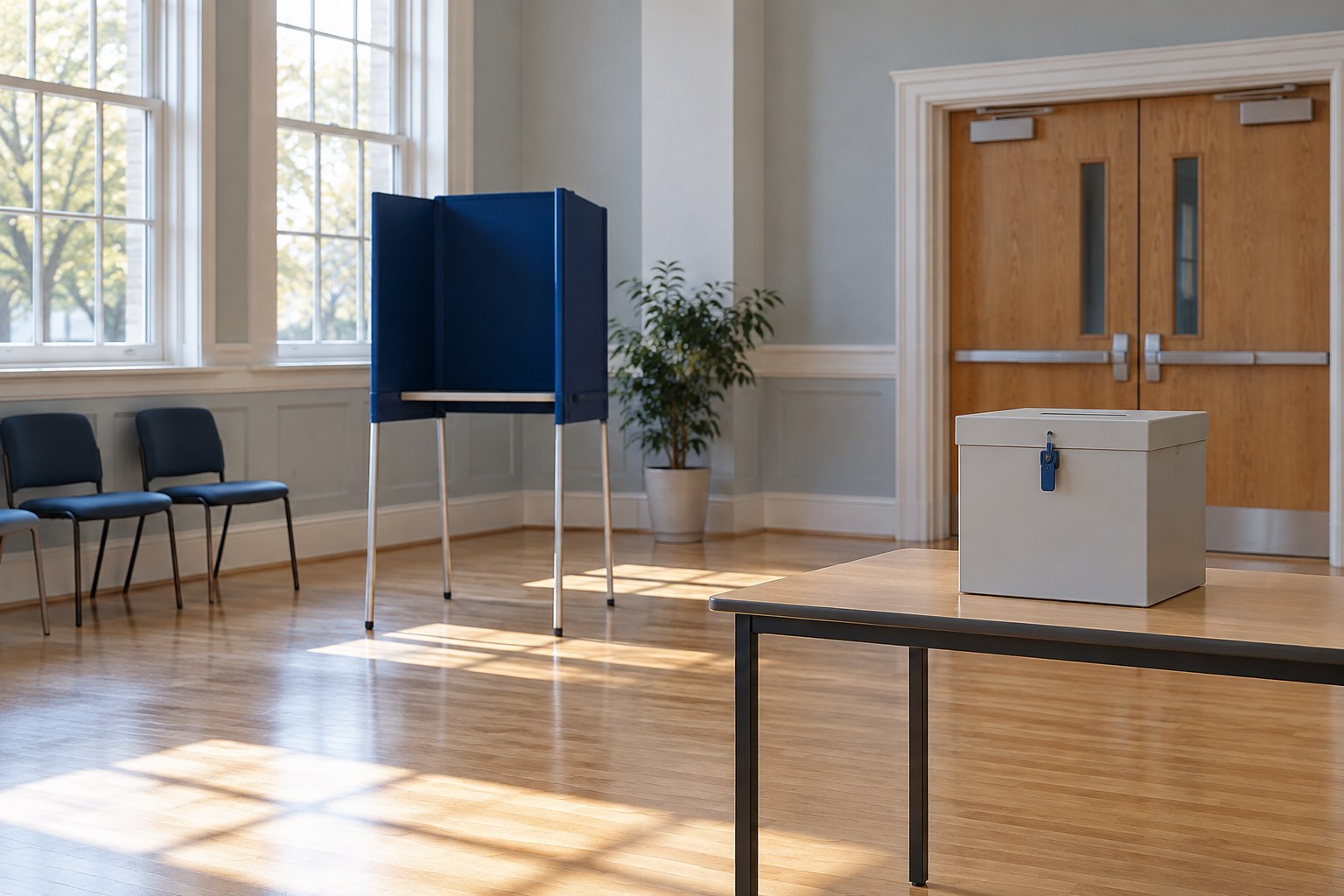
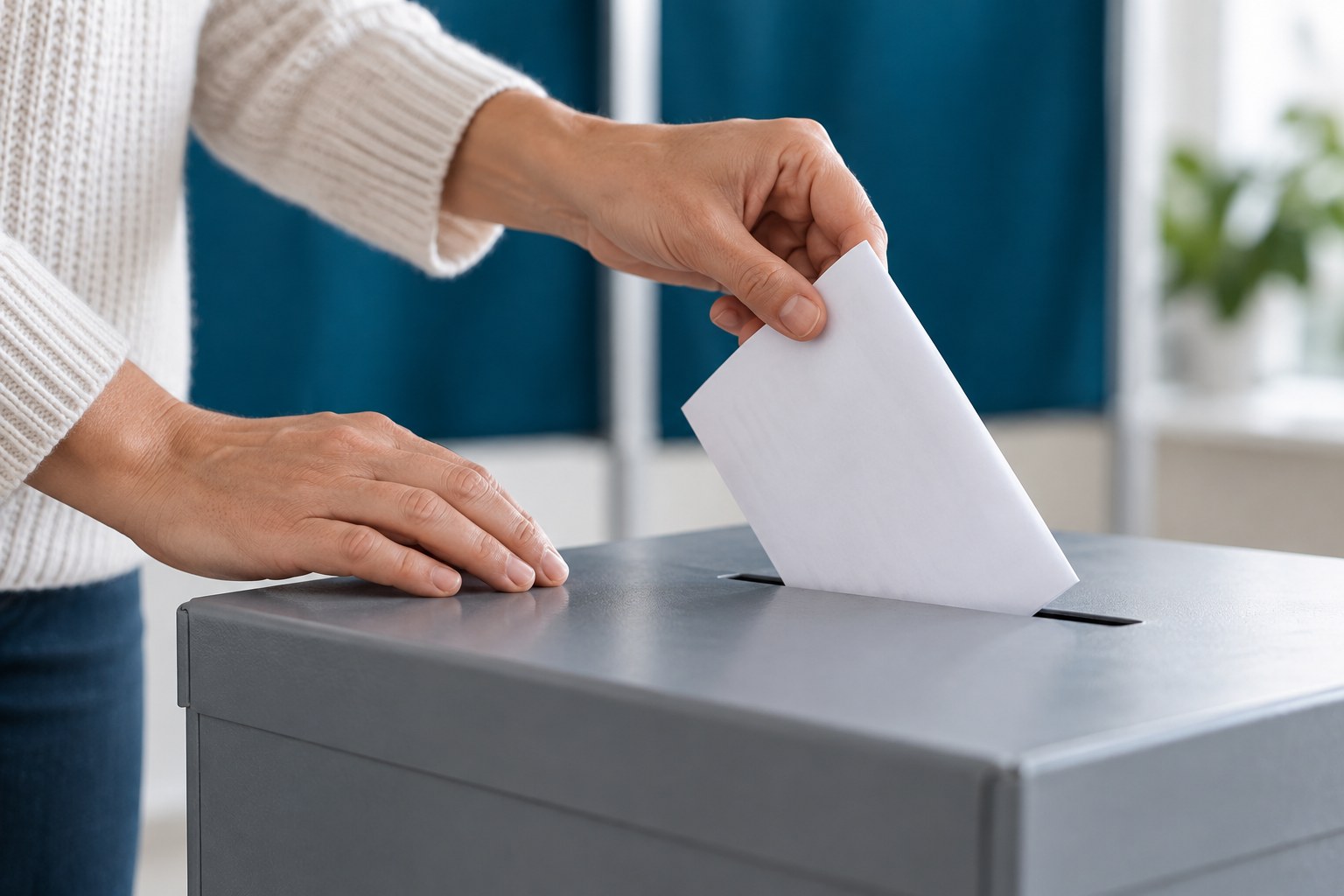
As Americans, we have the right to vote. With that right comes the power to choose our leaders and influence the values that guide our government. That right must be protected, but it must also be exercised.
There are roughly 250 million Americans eligible to vote. Yet in the 2022 midterm elections, fewer than half participated. Think about that. In a nation where government derives its authority from the consent of the governed, millions chose not to make their voices heard. And Christians are not exempt from this troubling pattern. Even where churchgoers vote at higher rates than the general population, far too many remain on the sidelines.
As Americans, we have a right to vote. As Christians, we also have a responsibility to be faithful citizens.
Remember Jesus’s words, “Render to Caesar the things that are Caesar’s and to God the things that are God’s” (Matthew 22:21). In our constitutional republic, citizenship carries responsibilities. Our government was not designed for spectators. It depends on the participation of the people. Jesus also called his followers the salt of the earth and the light of the world. Salt that never touches the food cannot preserve it. Light hidden from view cannot illuminate the darkness. We’re called to make a difference, not withdraw from the world around us. Voting is simply one practical way to fulfill that calling.
Our freedoms were not secured so that we could stand aside while others decide how they will be used. The ballot is not the whole of faithful citizenship, but it is one of the clearest opportunities we have to act on our convictions.
In the late 1940s, the Reverend Peter Marshall, chaplain of the United States Senate, preached a sermon entitled “Trial by Fire,” drawing from Elijah’s challenge in I Kings: “If the Lord is God, follow him. But if Baal, follow him.” Marshall warned against living in a moral fog, refusing to choose between conviction and compromise. Then he declared, “I, for one, am tired of hearing about our rights and privileges as American citizens. The time has come. It is now when we ought to hear about the duties and responsibilities of our citizenship.”
Those words remain relevant. Because every election is about more than which party wins or who occupies an office. It’s about the principles that will shape our laws, protect our freedoms, and influence the lives of our children and grandchildren. When we stay home, we don’t stop those decisions from being made. We simply leave them to someone else.
So ask yourself: if people who share your convictions remain silent, whose values will shape America’s future? We cannot demand responsible government while neglecting our responsibility as citizens. Exercise your right. Fulfill your responsibility. Study the candidates, weigh the issues against biblical values, and then vote.
Editor’s note:
And here’s the Good News: Faithful citizenship offers a practical way to act on convictions about the common good. The article asks readers to take that responsibility seriously by learning about candidates and weighing the issues against biblical values. A ballot cannot carry the whole of Christian duty, but thoughtful participation gives each voter a chance to use a right with care. What steps will you take to study the candidates and issues before the next election in which you can vote?
* Published by The Family Research Council at frc.org (1-800-225-4008; 801 G Street, NW, Washington, D.C. 20001) Authored by Tony Perkins on October 23, 2026.
Original article: PERKINS: Render unto the Ballot Box.
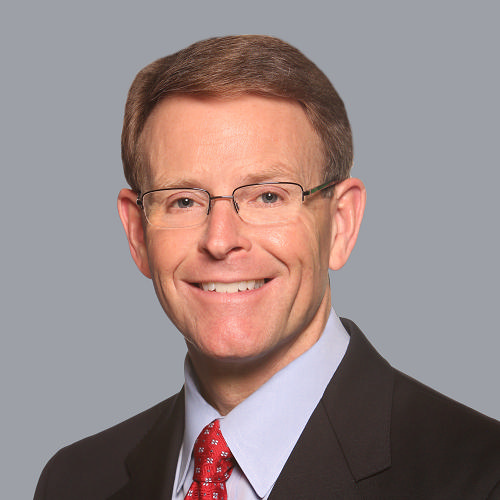
Tony Perkins
Tony Perkins is president of Family Research Council and executive editor of The Washington Stand. He hosts the nationally syndicated radio program Washington Watch. Before leading FRC, he served in the Louisiana legislature, the U.S. Marine Corps, and law enforcement. An ordained minister, he speaks to churches and civic groups about faith and public policy and wrote No Fear: Real Stories of a Courageous New Generation Standing for Truth.