Honey, Hives, and Hands-on Learning
Backyard Bees & Beekeeping
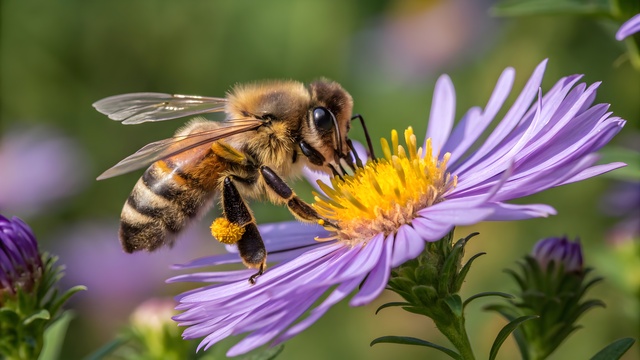
On warm spring afternoons, the gentle hum of bees drifting from flower to flower is easy to overlook. Yet these small, hardworking insects play an enormous role in our daily lives. It is estimated that one-third of the food we eat depends on pollination, much of it carried out by bees. Without them, many of the fruits, vegetables, and nuts we enjoy would be far more difficult to grow.
For homeschool families, learning about bees offers a natural opportunity to explore biology, ecology, agriculture, and even practical homesteading skills. Whether you’re considering backyard beekeeping or simply observing pollinators in your garden, bees provide endless opportunities for meaningful hands-on learning.
Sweet Bees: The Basics of Beekeeping
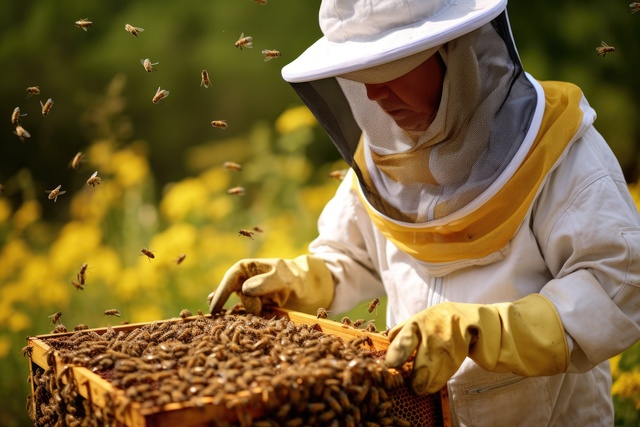
Beekeeping has long been a valuable homestead skill, providing honey, beeswax, and improved garden pollination. For families interested in beekeeping, learning from experienced beekeepers is an important first step.
The West Virginia State Beekeepers Association offers valuable information for families across the state. Their website includes helpful articles on beginning beekeeping, directories to help locate local beekeeping groups, and information about working toward master beekeeper certification. Connecting with a local group allows students to see real hives, ask questions, and learn safe beekeeping practices.
Beekeeping can truly become a family endeavor. From assembling hive boxes to monitoring bee activity and harvesting honey, students can take part in meaningful work that blends science with responsibility.
If your family is curious about starting a hive, beginner-friendly guides describing the process of setting up and maintaining a beehive can help you understand the equipment, seasonal care, and ongoing responsibilities involved. Even if you don’t plan to keep bees yourself, visiting a local apiary or beekeeper can make this fascinating world come alive.
Flower Bees: Why Pollination Matters
Of course, honey isn’t the only reason bees are important. Bees play a critical role in pollination, the process that allows plants to reproduce. As bees move from flower to flower collecting nectar, they carry pollen between plants. This transfer allows fruits and seeds to develop.
Students can explore how pollinators work by observing flowers in their yard or neighborhood. Look closely at different types of blossoms and notice how some flowers are brightly colored to attract bees and others produce strong scents that guide pollinators. Learning how bees pollinate plants also opens the door to studying ecosystems, food production, and plant biology. It’s a powerful reminder that even the smallest creatures play a role in sustaining life around us.
For a hands-on extension, try planting a small pollinator-friendly garden using flowers known to attract bees. Watching bees visit the blooms over time can turn your garden into a living science lab.
Angry Bees: Understanding Stings and Staying Safe
Despite their importance, bees can sometimes feel intimidating—especially when stings are involved. Fortunately, bees do not sting without reason. Most stings occur when bees feel threatened or are defending their hive.
Teaching children why bees sting helps remove fear and replace it with understanding.
Students can learn to identify common stinging insects, stay calm around bees, and avoid disturbing nests.
Helpful visual guides that include pictures and descriptions of stinging insects can help families identify what type of insect they’ve encountered. It’s also wise to discuss basic first aid for bee stings, including removing the stinger promptly and monitoring for allergic reactions. Knowing how to respond calmly builds confidence and safety awareness. For problematic nests near your home, it’s often best to contact a local beekeeper or pest professional who can safely relocate or remove the colony when necessary.
Try This in Your Homeschool: Observe Bees at Work
Even without a hive, students can learn a great deal simply by watching bees in action. Choose a flowering plant in your yard or neighborhood and spend a few minutes observing.
Encourage students to record:
- How many bees visit in five minutes
- What types of flowers attract the most activity
- Whether bees visit more often during certain times of day
Older students can research which plants in your region are best for pollinators, while younger children may enjoy sketching bees and flowers in a nature journal. These small observations help students develop patience, curiosity, and a deeper appreciation for the natural world.
*This article was originally posted on the Home Educators Association of Virginia (HEAV) blog. Used by permission. https://heav.org/backyard-bees-beekeeping/

Megan Mora Fuentes
A homeschool graduate, Megan earned her associate degree while in high school. She has worked as an office manager for eight years. In her spare time, Megan enjoys kayaking, writing, and baking cookies for anyone who will eat them. She and her husband live in her hometown of Winchester.