From Room-Sized Machines to Everyday Tools
Exploring the history of computers through a homeschool STEM study
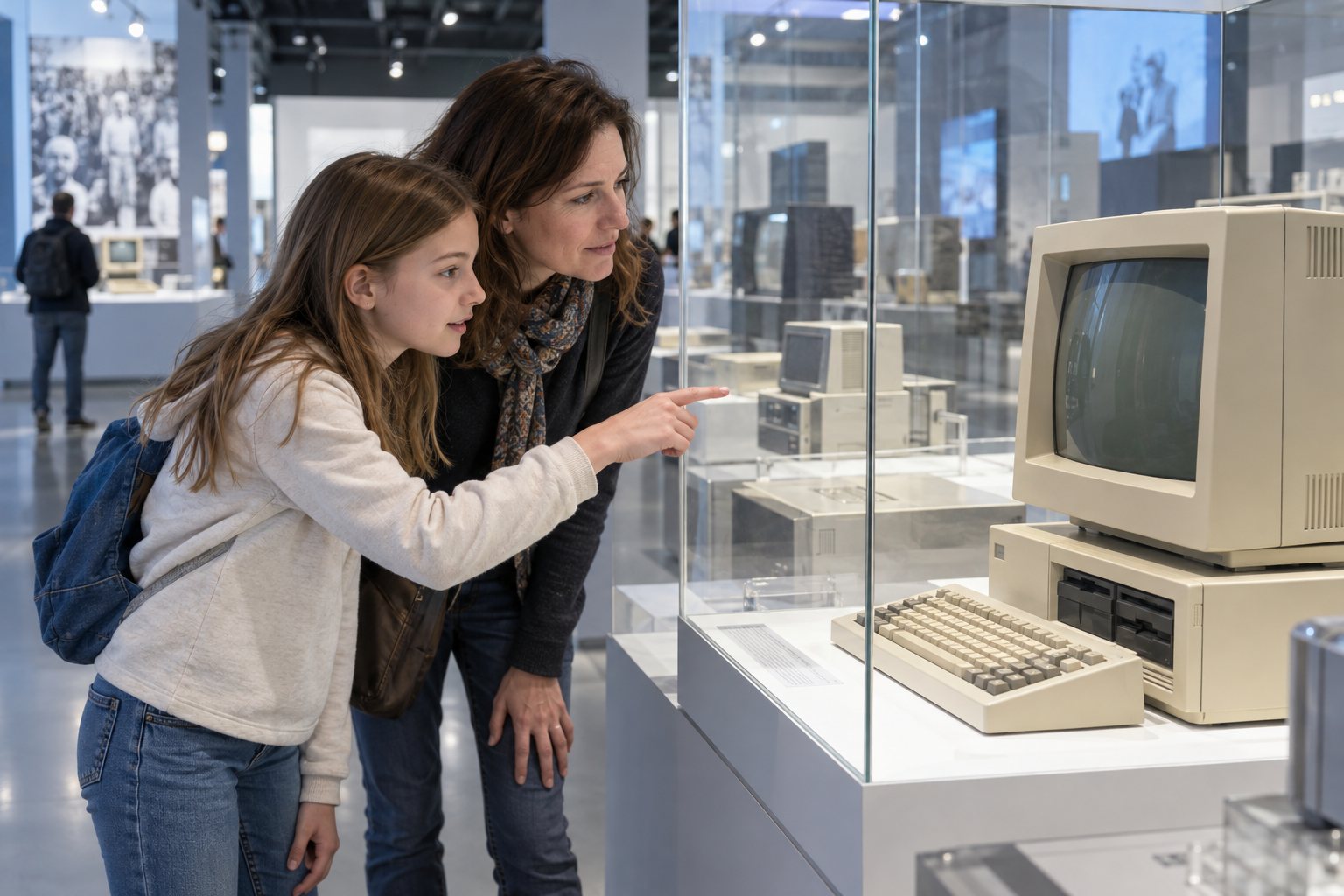
The computer sitting on your desk, or the one in your child’s hand, may seem like a familiar part of everyday life. But computers haven’t always been small, fast, and portable. In fact, the history of computers is a story of enormous machines, creative problem-solving, surprising inventions, and people who kept asking, “What if we could make this better?” That’s what makes the history of computers such a fascinating topic to explore in your homeschool STEM.
The History of Computers and Fundamentals
Early computers looked very different from the devices we know today. Some filled entire rooms and used thousands of electronic components. The ENIAC, unveiled in 1946, occupied more than 1,000 square feet and contained about 18,000 vacuum tubes. Over the decades, computers became smaller, faster, and more accessible. Transistors replaced vacuum tubes, integrated circuits made increasingly compact machines possible, and eventually personal computers brought computing into homes and schools.
The Computer History Museum’s Timeline of Computer History is a wonderful place to see that progression. Instead of simply reading about computer history from beginning to end, let your children browse the timeline and choose a few inventions or people that catch their attention. What surprised them? Which invention seems most important? What problem was someone trying to solve?
Computer Works
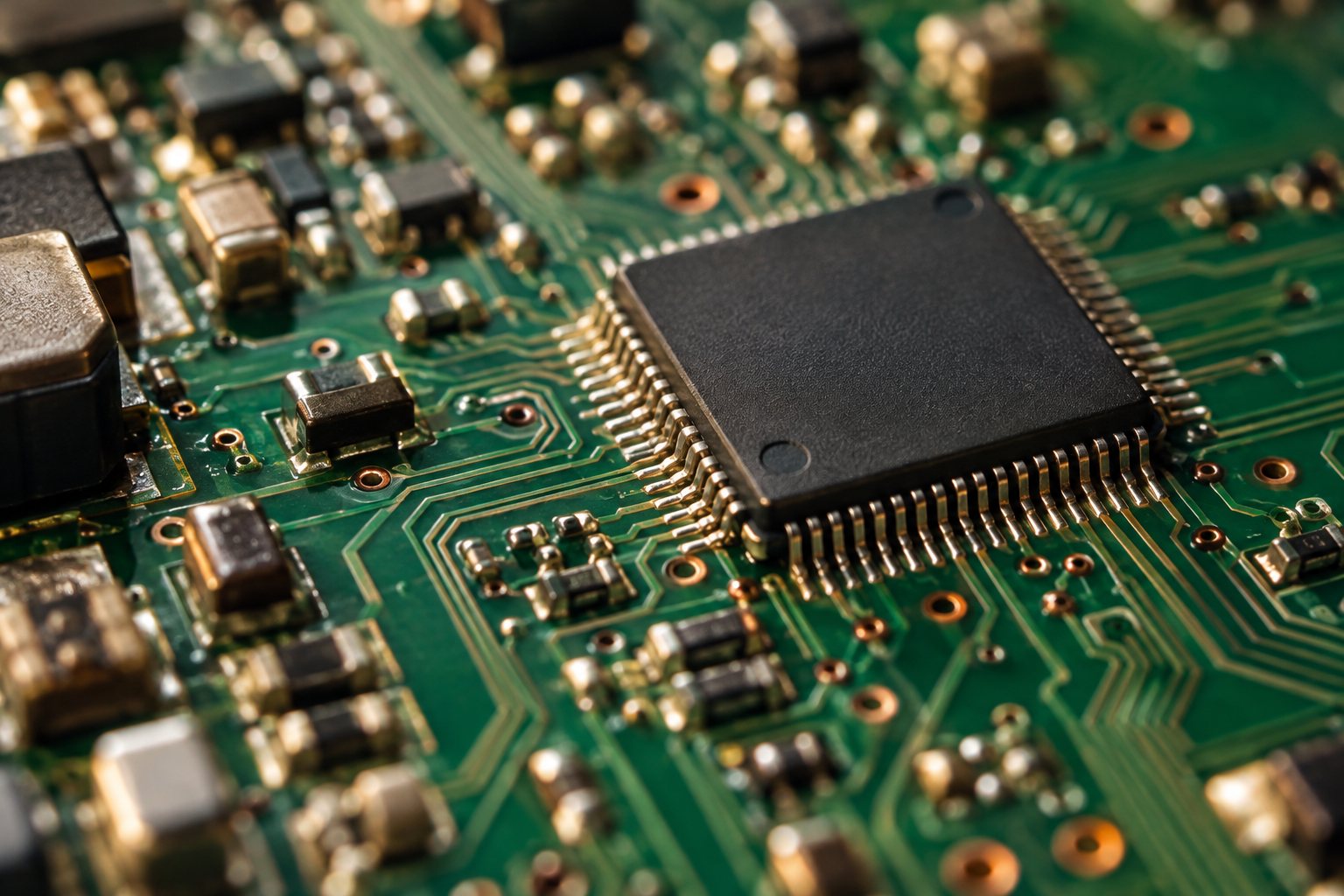
Then take a closer look at what actually happens inside a computer. How Computers Work introduces the basic ideas behind hardware, memory, processors, storage, and other components. Younger children may simply enjoy learning the names of the parts, while older students can investigate how those parts work together to turn instructions and information into something we can see and use.
For a broader historical picture, History of Computers traces the development of computing from early calculating machines to modern technology. You might even challenge your children to create their own illustrated computer timeline, choosing ten important developments and explaining why each one mattered.
Computer Basics and Coding
And, of course, the history of computers naturally leads to coding. HEAV’s Homeschool STEM: Basic Coding & Application can help turn this history study into an opportunity to explore how computers follow instructions. Even a simple coding activity can help children begin to think like inventors: identify a problem, break it into steps, test an idea, find the mistakes, and try again.
One of the most interesting things about computer history is that it reminds us that technology is never really “finished.” The devices we use today grew out of generations of questions, experiments, mistakes, and improvements. Your children may be the ones asking the next “What if?” question, and perhaps someday they’ll be the ones inventing what comes next.
Editor’s note
And here’s the Good News: the curiosity that draws a child to a computer can also lead to patient learning and gratitude for the abilities God gives people. Parents do not need to know every answer before beginning a study together. They can help children ask sound questions, examine how things work, and use their growing skills to serve others. Which invention could your family investigate together, and how might that discovery encourage a useful project?
This article was originally posted on the Home Educators Association of Virginia (HEAV) blog. Used by permission. Read the original article.

Megan Mora Fuentes
A homeschool graduate, Megan earned her associate degree while in high school. She has worked as an office manager for eight years. In her spare time, Megan enjoys kayaking, writing, and baking cookies for anyone who will eat them. She and her husband live in her hometown of Winchester.