
Protecting Life Before Birth
A review of fetal pain research raises questions about the care and protection of unborn children

The review “Reconsidering fetal pain” appeared in the Journal of Medical Ethics. Stuart W.G. Derbyshire and John C. Bockmann, who held different views on the morality of abortion, jointly examined evidence about fetal pain. One considered abortion unethical, while the other supported access to abortion. Their review argued that neuroscience could not definitively rule out pain before 24 weeks of gestation and considered the possibility of an immediate, unreflective experience as early as 12 weeks. This was an argument about the evidence, rather than proof that pain occurs at 12 weeks.
The paper’s abstract described reports that had ruled out fetal pain before 24 weeks because the cortex and its connections were not yet sufficiently developed. The authors questioned whether those structures were necessary for every form of pain experience. Although they drew different moral implications from abortion, they agreed that even a basic pain experience could matter morally.
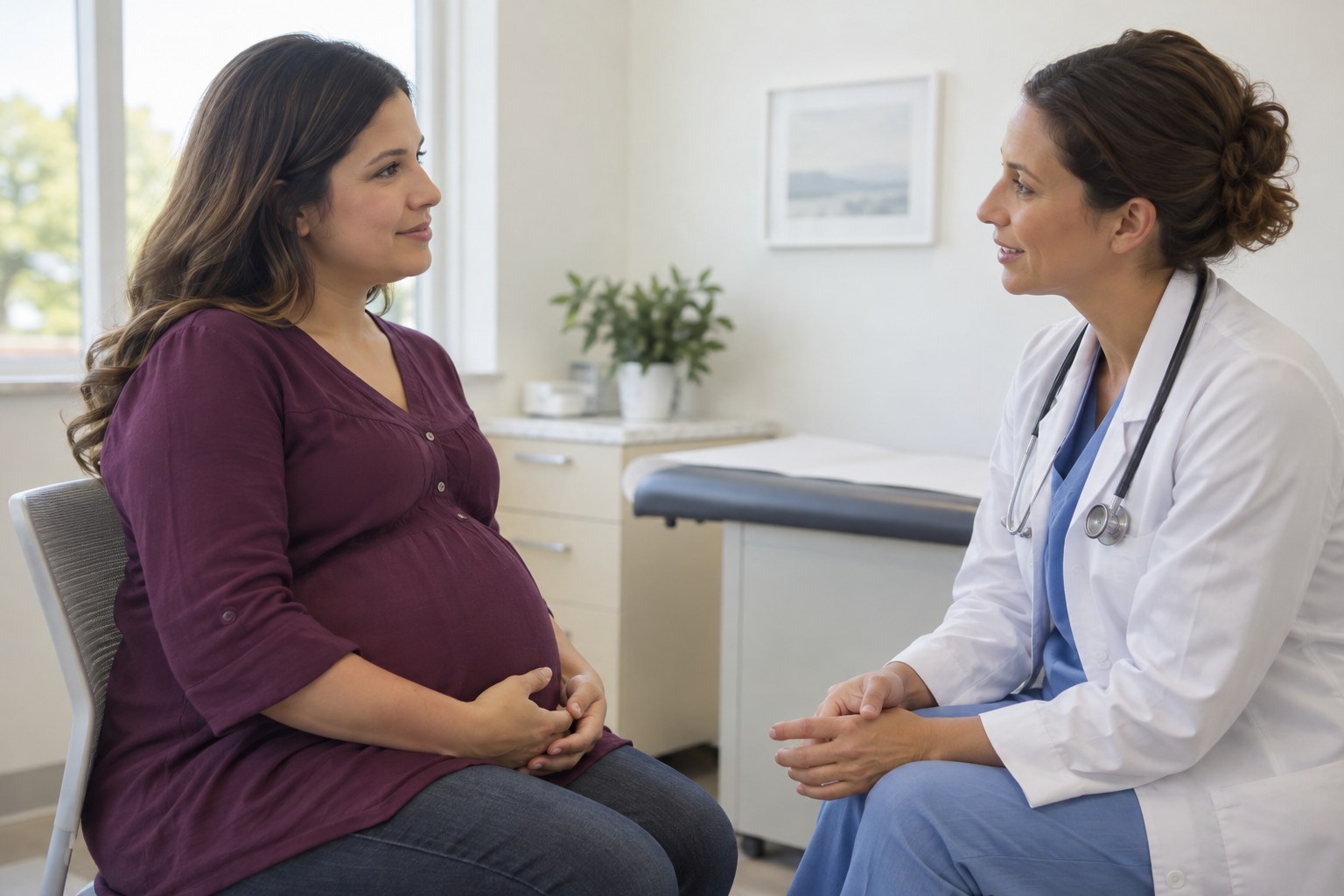
The review’s conclusions differ from those of major obstetric organizations. The Royal College of Obstetricians and Gynaecologists’ review concluded that pain perception before 28 weeks is unlikely. The American College of Obstetricians and Gynecologists states that fetal capacity for pain does not develop until after at least 24-25 weeks. ACOG also distinguishes medication used during fetal surgery from proof of pain capacity. The use of anaesthesia or analgesia for a procedure does not, by itself, settle the question of when pain can be experienced.
The Senate debate
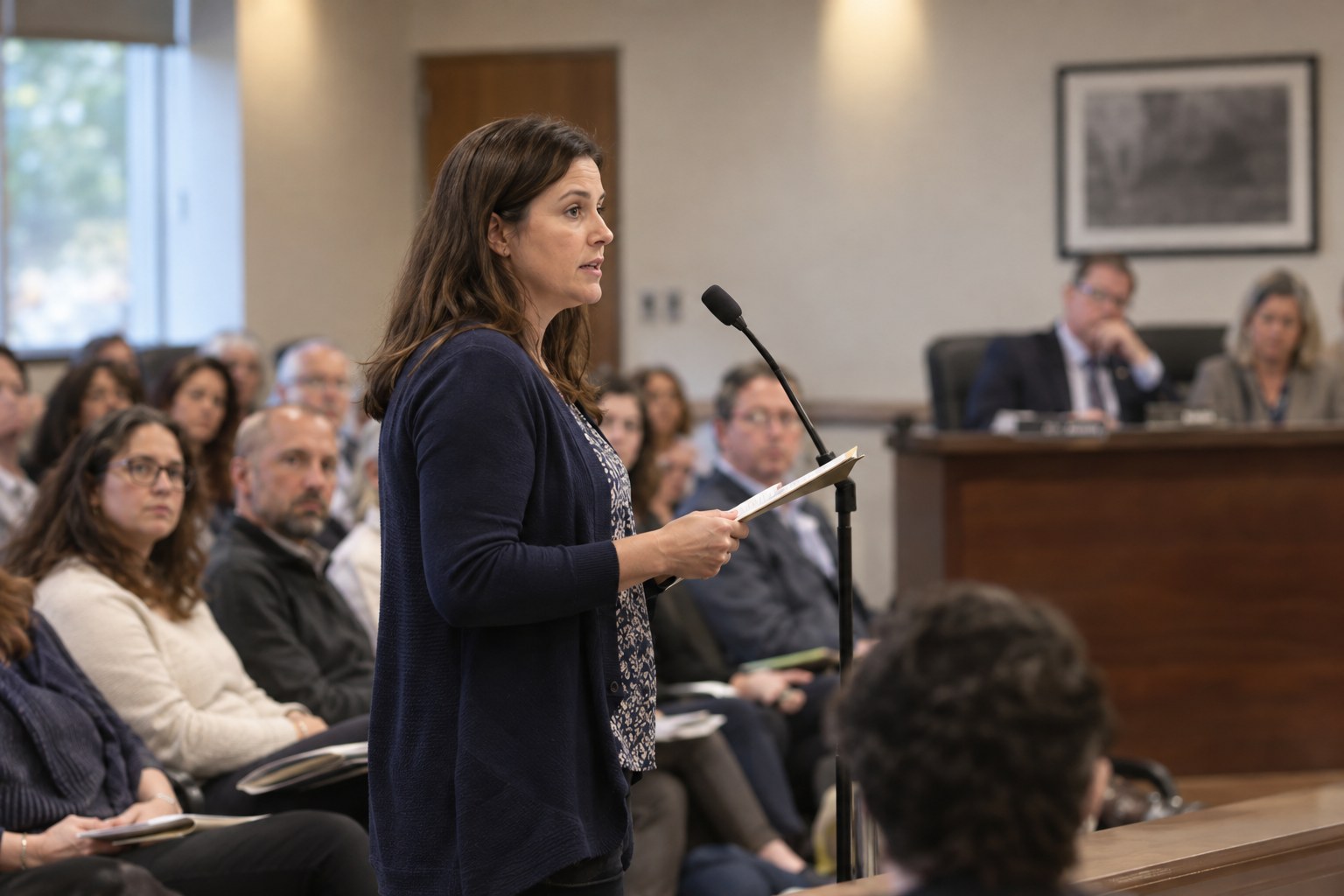
Sobolik urged Congress to pass the Pain-Capable Unborn Child Protection Act. The proposal from the 116th Congress would, with exceptions, have prohibited abortions at an estimated post-fertilization age of 20 weeks or more. Her call for stronger protections expressed the article’s pro-life position. America’s unborn children deserve strong protections.
A preview of the Senate votes discussed the Pain-Capable and Born-Alive proposals. The Senate rejected motions to end debate on proceeding to S. 3275, the Pain-Capable bill, by 53-44 and S. 311, the Born-Alive bill, by 56-41. These were procedural cloture votes, not votes on final passage. The Born-Alive bill would have required a practitioner present when a child survived an attempted abortion to provide the same degree of care reasonably given to another child born alive at the same gestational age and ensure immediate admission to a hospital.
We should pray for the Church to continue to step up in Jesus’ name, supporting vulnerable women and babies by providing them with the love, care, and hope that they need.
A Marist poll cited by Sobolik reported that 70% of respondents favored limiting abortion to the first three months of pregnancy or to a stricter requirement. Among respondents who identified as pro-choice, 47% supported such restrictions. Labeling someone as “pro-choice” does not clearly indicate how that person views restrictions and limits on abortion, and it can place people with different views in the same category.
What the Bible says about preborn babies
The Bible is clear that life begins at conception and that every life has inherent value, dignity, and worth. We should certainly work toward a day when abortion is unthinkable, but in the meantime, we should support laws that protect the little ones in the womb. The questions raised by this review of fetal pain ought to propel us to pray.
- We should pray that the U.S. Congress would pass legislation to protect pain-capable unborn children.
- We should pray women in vulnerable situations who are considering late-term abortions would choose life for their babies.
- And we should pray for the Church to continue to step up in Jesus’ name, supporting vulnerable women and babies by providing them with the love, care, and hope that they need.
For more resources on policies that promote a culture of life, visit erlc.com/life.
Editor’s note
And here’s the Good News: the worth of a child rests in God’s care, and Christians can express that care through practical help for mothers and families. Prayer and advocacy belong alongside patient listening, dependable friendship, and support for those facing difficult pregnancies. A church can make its concern for life visible by helping people find the care and encouragement they need. What could your congregation do to offer sustained, personal support to a mother or family in need?
This article was originally posted on the Ethics and Religious Liberty Commission (ERLC) blog. Used by permission. Adapted by His Good News with additional research context. erlc.com. Read the original article.

Chelsea Sobolik
Chelsea Patterson Sobolik directs faith partnerships at Stand Together. Her earlier work includes government relations at World Relief, service with Lifeline Children’s Services and the Ethics and Religious Liberty Commission, and work on Capitol Hill. She wrote Called to Cultivate: A Gospel Vision for Women and Work and Longing for Motherhood: Holding On to Hope in the Midst of Childlessness. Her writing has appeared in The Wall Street Journal, USA Today, and Christianity Today.