
Parents Have a Voice
Why parental rights and involvement matter when schools shape children’s beliefs
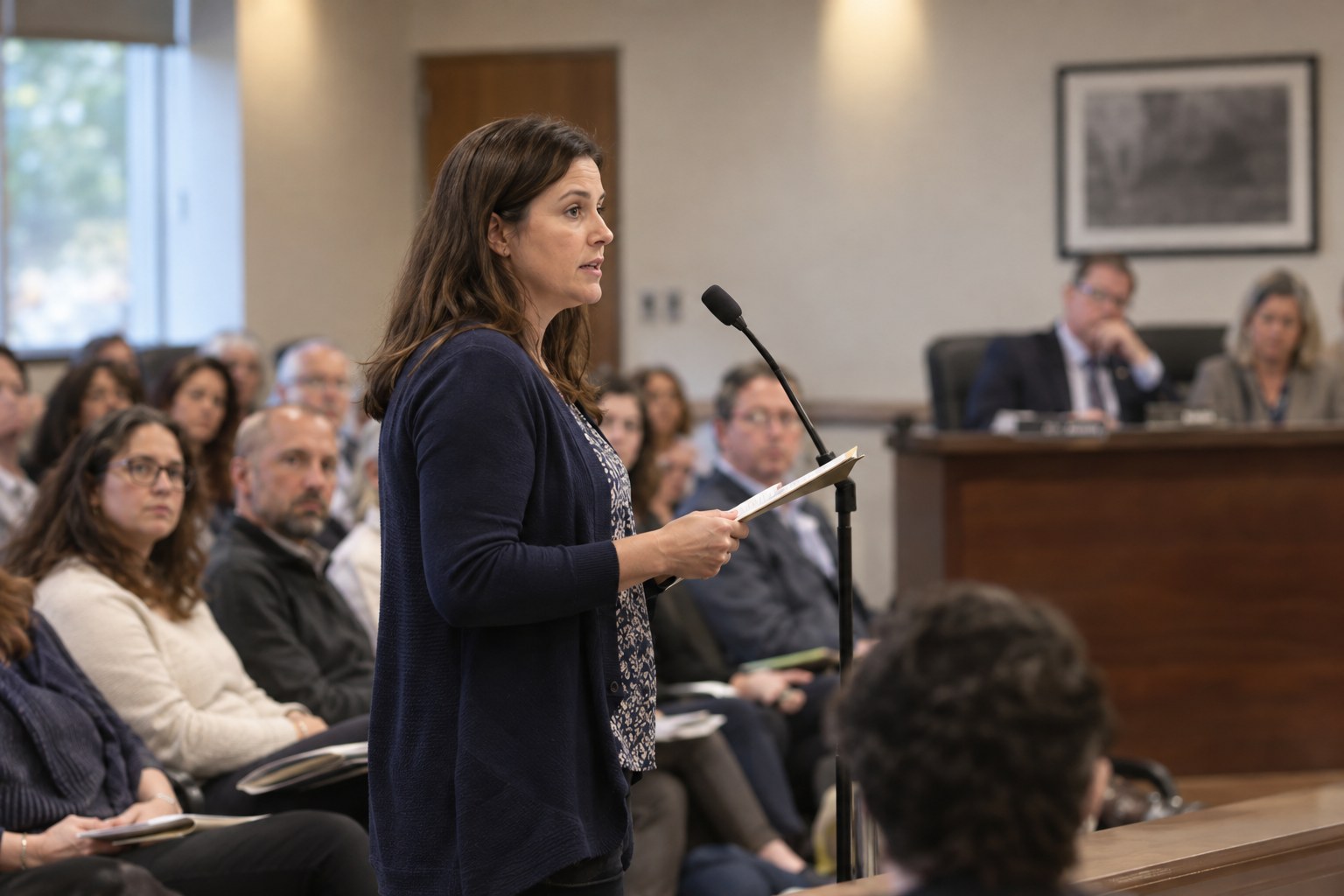
In an age when parents who stand up to the indoctrination of their children are labeled as domestic terrorists, protecting the rights of moms and dads is more important than ever, experts say, especially after the Biden-era Department of Justice targeted parents whose only crime was advocating for their kids.
The Justice Department’s Weaponization Working Group released a report detailing how the Biden administration DOJ “explored avenues to prosecute parents and protestors who spoke to school boards and school officials during the Covid-19 pandemic.”
The report details a memorandum sent from Attorney General Merrick Garland to the director of the FBI, the assistant attorney general for the Criminal Division, the director of the Executive Office for U.S. Attorneys, and United States attorneys, alleging “a disturbing spike in harassment, intimidation, and threats of violence” against school administrators and at school board meetings.
The Working Group identified a letter from the National School Boards Association to President Joe Biden as the memorandum’s ideological inspiration. In that letter, the organization urged the federal government to consider that “these heinous actions” “could be equivalent to a form of domestic terrorism and hate crimes.”
Montana Attorney General Austin Knudsen (R) contended during an appearance on “Washington Watch with Tony Perkins” that parents shouldn’t be condemned for fighting against the progressive ideology pushed on their children in schools. “They were voicing their opinion. They were voicing their concerns about how their child was being treated. And some of the activities that were going on at the school were done without parental consent. And you had the Biden administration literally directing prosecutors and criminal investigators to treat these parents like domestic terrorists. That is absolutely ridiculous. Uncalled for.”
The Trump administration’s Departments of Justice and Education worked to back the parental rights that many red states seek to uphold.

“Credit to President Trump, to [Attorney General Todd] Blanche, to Secretary [Linda] McMahon for laying the smackdown on this kind of just egregious behavior that we saw come out of the Biden White House, [and] that we saw come from AG Merrick Garland targeting parents, targeting free speech, targeting parental rights,” Knudsen described.
Family Research Council President Tony Perkins remarked that red states are not always guaranteed to be parental rights safe havens. “Just because it’s not happening in your school district, because you live in a rural conservative area, doesn’t mean it’s not happening,” he explained.
“Some of these more progressive cities that are pursuing these policies [are] oftentimes under the radar. … Even in my home state of Louisiana, [a] conservative red state, we’ve had to prompt our legislature to be a little more aggressive in setting a standard at the state level, so that we don’t see this at the local level.”
The best antidote for public school indoctrination is parental involvement, Perkins emphasized. “[The Biden administration was] trying to shame, [and] silence these parents, who were exposing what was happening in these schools,” he asserted. “And that’s why it’s so important that parents understand, number one, they have a God-given right to protect their children, but they have a responsibility to do that as well. And so, they need to stand up.”
Knudsen concurred that parental rights are guaranteed by the law. “It’s also important to recognize that right has been recognized by the U.S. Supreme Court. It’s been codified by the United States Congress. No matter how much some liberal teachers’ union official is going to stand up and scream at you, no matter how loudly a school board official is going to slam a gavel and tell you, you don’t have the right to tell them what to do to your child in their school district, you absolutely do.”
Editor’s note
And here’s the Good News: parents can approach their responsibility for their children with courage, patience, and a desire to serve. Careful questions, regular conversations with teachers, and attention to what children are learning can strengthen that work. Churches can support families through prayer and practical guidance while encouraging speech that remains truthful and respectful. What conversation could you begin with your child or school to better understand the instruction your family is receiving and the choices before you?
Published by The Family Research Council at frc.org (1-800-225-4008; 801 G Street, NW, Washington, D.C. 20001). Authored by Quinn Delamater on October 7, 2026. Read the original article.

Quinn Delamater
Quinn Delamater is a reporter for The Washington Stand. She is a graduate of Hillsdale College where she studied rhetoric, media, and journalism. Her previous journalism experience includes working for The Daily Signal and Townhall.com. Quinn explores a wide variety of topics in her writing but particularly enjoys reporting on faith, culture, lifestyle, health reform, and social issues.