
When the State Tries to Train the Church
California’s hate-speech training law raises questions about religious freedom and the church’s ability to teach biblical convictions.
If voters are trying to imagine what the nation would look like under the policies of a Democratic majority in Congress, look no farther than California.
Governor Gavin Newsom (D) and the Democratic supermajority in both chambers of the state legislature have pursued a broad range of policies.
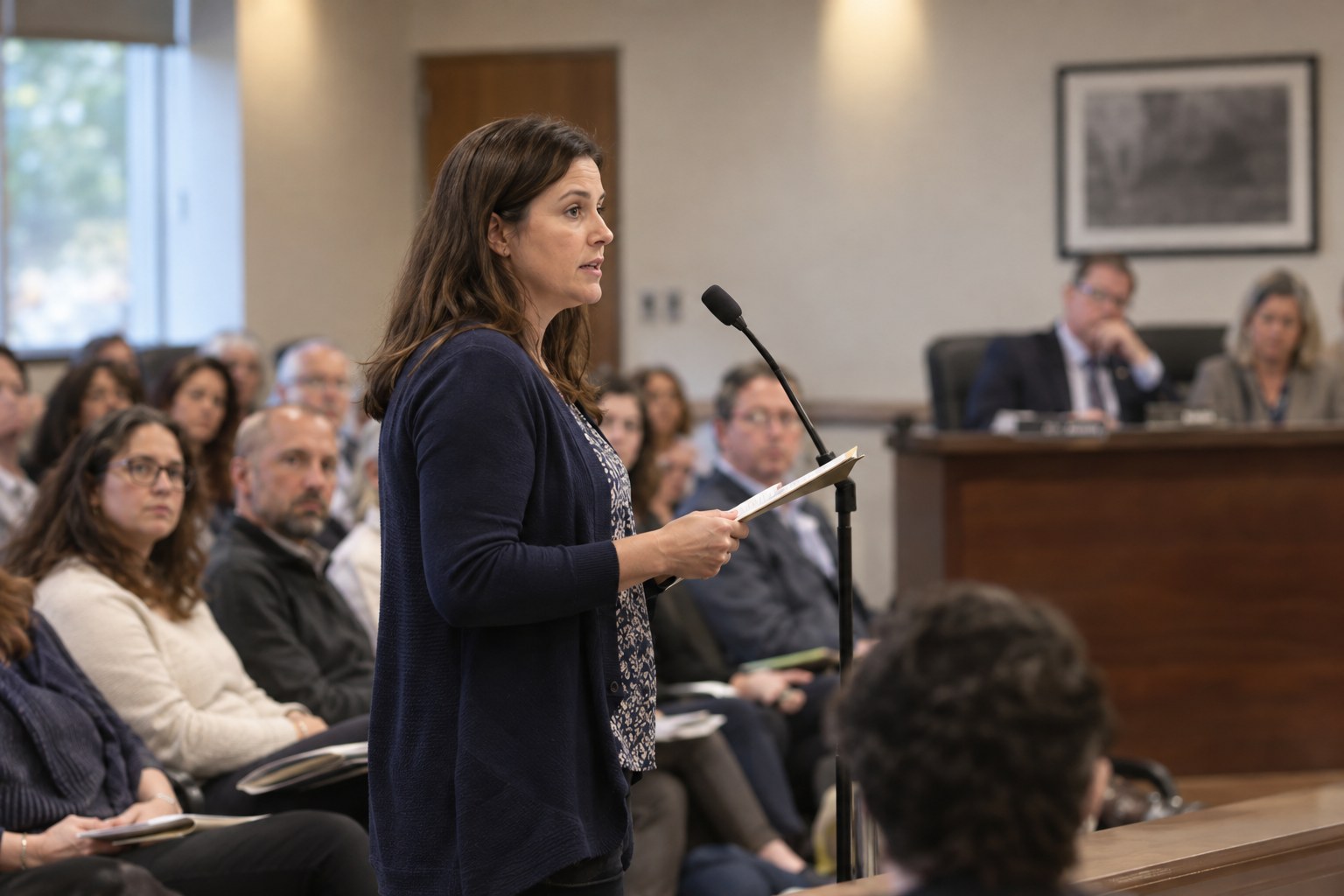
One example is AB 1803, signed by Governor Newsom. Authored by Assemblyman Josh Lowenthal (D), the law requires employers with five or more employees to add training on hate speech to the growing list of California’s harassment-training laws.
Lowenthal said, “California must make meaningful progress to train Californians on the danger of hate speech not only in the workplaces, but in society as a whole.”
The law describes speech covered by the training as speech that “vilifies, humiliates, or incites hatred” against people based on protected characteristics.
And what are those protected characteristics? They include religion, sex, gender, gender identity, gender expression, sexual orientation, and reproductive health decision-making, which includes abortion.
There are others, but those are enough to raise serious questions for Christians and religious organizations.
First, there is no clear legal definition of hate speech. Whatever the intent, the effect is to give the term enormous elasticity. Who decides when a deeply held religious conviction crosses the line from disagreement into “humiliation” or “vilification” and is then defined as hate speech?
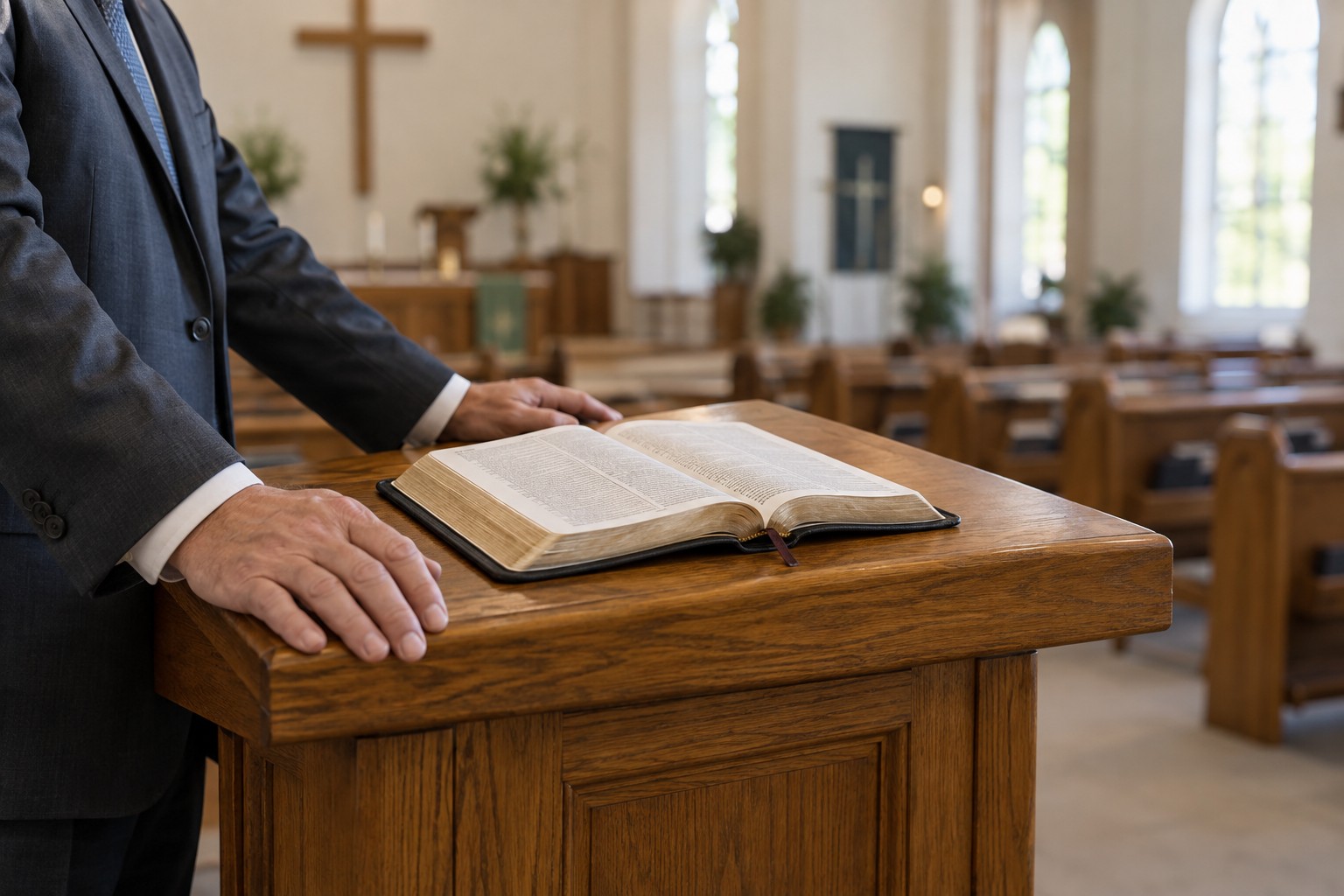
Second, California law does not make sufficiently clear how this mandate applies to churches and religious ministries. That ambiguity itself should concern anyone who values religious freedom, because the protected categories include subjects on which biblical Christianity makes unmistakable moral and theological claims.
Jesus said in Matthew 19 that the Creator “made them male and female,” and then described marriage in terms of a man and a woman. Does teaching those words humiliate someone who rejects the biblical understanding of sex and marriage?
What about Jesus’s words in John 14: “I am the way, the truth, and the life. No one comes to the Father except through Me”? Christianity is inherently exclusive in its truth claims. Could that someday be deemed vilifying toward another religion?
This is why California’s law should concern the church and everyone else, for that matter. When state officials declare the state needs to train society on what is appropriate speech, all of society is in trouble. Frankly, the state of California should not be instructing the church, the church should be instructing the government on what is right and wrong.
For Christians, this is an Acts 4 moment. When Peter and John were ordered not to speak or teach in Jesus’s name, they answered: “Whether it is right in the sight of God to listen to you more than to God, you judge.”
California is not merely a laboratory for the Left; it is a warning to the rest of America. The question for voters is whether California’s experiment stops at the state line, or comes to Washington. And the question for the church is even more fundamental: when government demands that we compromise biblical truth, will we have the courage of Peter and John to stand firm and speak it?
Editor’s note
And here’s the Good News: the courage of Peter and John still gives Christians a clear example of faithfulness under pressure. Questions about government rules need careful attention, but they also invite us to know what we believe and why. We can study the words of Jesus cited here and prepare to explain our convictions with care. Faithfulness begins in the choices we make today. What biblical conviction could you learn to explain more clearly in a conversation this week?
* Published by The Family Research Council at frc.org (1-800-225-4008; 801 G Street, NW, Washington, D.C. 20001) Authored by Tony Perkins on October 9, 2026. Read the original article.
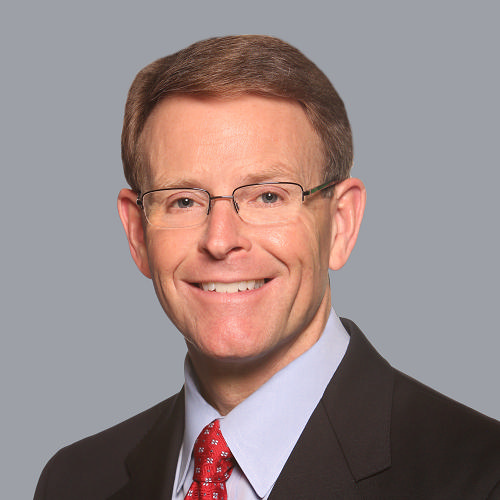
Tony Perkins
Tony Perkins is president of Family Research Council and executive editor of The Washington Stand. He hosts the nationally syndicated radio program Washington Watch. Before leading FRC, he served in the Louisiana legislature, the U.S. Marine Corps, and law enforcement. An ordained minister, he speaks to churches and civic groups about faith and public policy and wrote No Fear: Real Stories of a Courageous New Generation Standing for Truth.