
Lessons Around the Table
Welcoming guests gives homeschool children practice in generosity, conversation, and everyday skills.
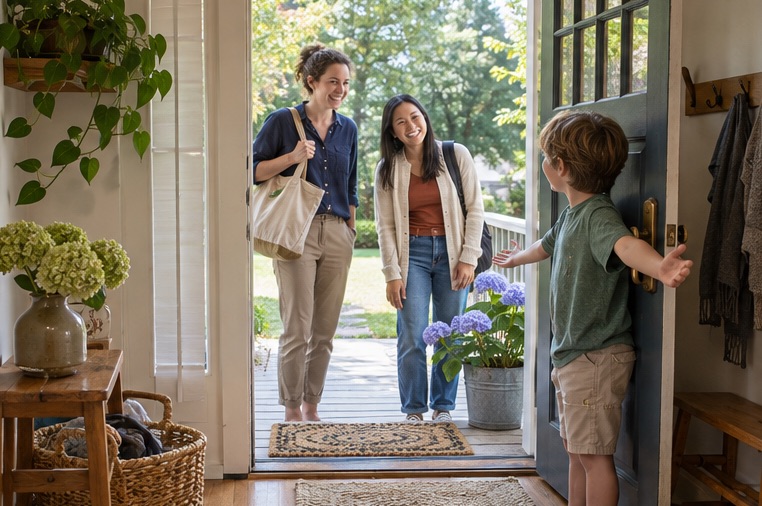
Hospitality in your homeschool can create some of our most memorable homeschool moments that happen when we open our doors to others. Whether it’s inviting friends for a simple lunch, gathering around the table for a family meal, or welcoming a new neighbor, these times together can spark learning that goes far beyond textbooks. Practicing hospitality in your homeschool gives your children a chance to practice real-life skills, build relationships, and experience the joy that comes from making someone feel at home.
And hospitality doesn’t require a perfectly decorated home or an elaborate meal. At its heart, it’s simply about making space for people and letting them know they matter. When you invite your children into the process, even an ordinary gathering can turn into a meaningful learning experience for everyone.
Learning Before the Guests Arrive
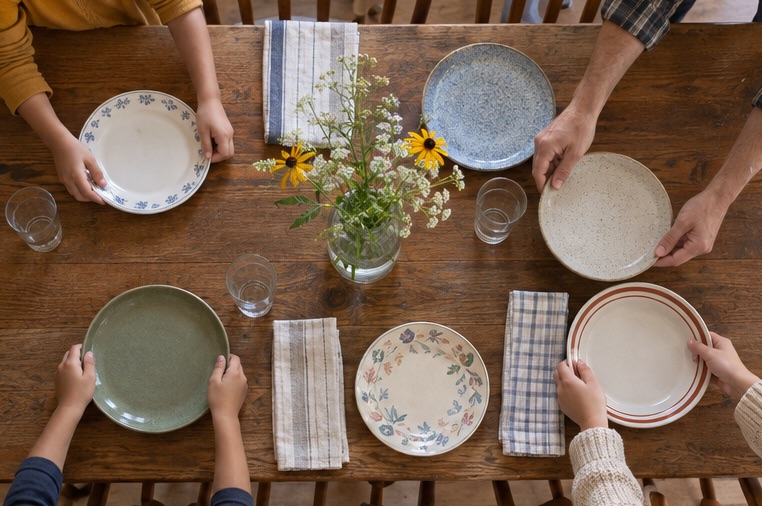
Getting ready for company is full of chances to practice real-world skills together. Kids can help plan the menu, make a shopping list, estimate quantities, compare prices, and prepare food. Little ones might enjoy arranging napkins or picking out flowers for the table, while older kids can help with budgeting, organizing a timeline, or figuring out how to adapt a recipe for a bigger group.
All these everyday tasks weave math, home economics, communication, and problem-solving into family life. They also give your kids a chance to work together toward a shared goal. Instead of simply assigning chores before guests arrive, invite your children to help make decisions and take ownership of responsibilities that fit their ages.
Hospitality in your homeschool can also be an opportunity to practice social skills. Talk about how to greet a guest, introduce people who haven’t met, ask thoughtful questions, and include someone who may feel shy or unfamiliar. Meaningful Mama offers a Hospitality Chart for teaching hospitality to kids, with ideas for helping children learn what it means to welcome and care for others. Use it as a starting point for family conversations about kindness, helpfulness, and the small actions that make guests feel at home.
More Than a Meal
Gathering with others offers lessons a book can’t always teach. Around the table, children hear different perspectives, learn to listen, ask questions, and share their own thoughts.
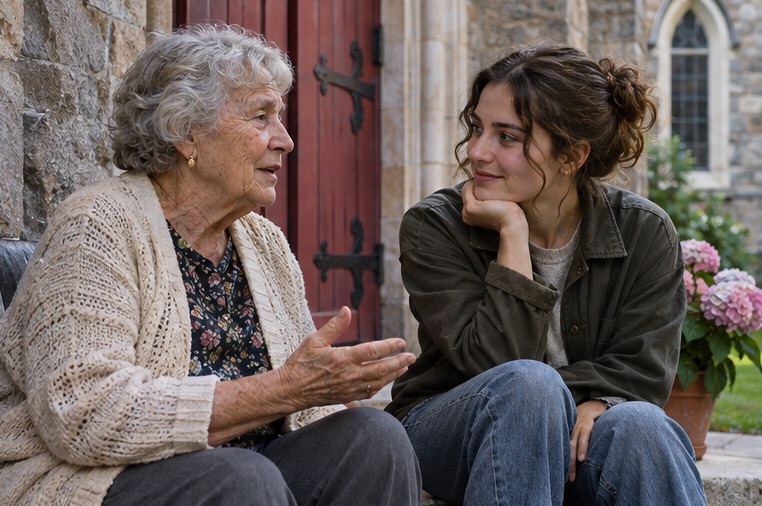
Conversations with grandparents, neighbors, friends, or people from different backgrounds can open the door to experiences and ideas we might not encounter otherwise.
Hospitality in your homeschool can also extend beyond your own front doors. Preparing a meal for a family going through a difficult time, delivering baked goods to a neighbor, or welcoming a new family into the community are all simple ways to practice generosity and care together.
In “Hospitality: You Do Have What It Takes,” Everyday Homemaking offers encouragement for families who may feel overwhelmed by the thought of hosting. You don’t need a perfect home or an elaborate plan to welcome others well. Start small, involve your children, and focus on the people, not the preparations.
Making Room for Meaningful Traditions
The holidays often give us more chances to gather. A cozy soup supper, a simple dessert shared with friends, or an afternoon of board games can easily become a family tradition.
Teaching hospitality to kids also offers opportunities to explore biblical examples of welcoming and serving others. Discuss what it means to care for a visitor or stranger, and consider how your family might put those ideas into practice. The Teach Them Diligently conversation on Hospitable Homeschooling with Jen Schmidt explores how hospitality in your homeschool can become part of family life. It’s an encouraging resource for thinking about how ordinary opportunities to gather and serve can shape a family’s habits and priorities.
The goal isn’t to turn every gathering into a formal lesson. Instead, it’s about noticing the learning that naturally happens when we share time, food, stories, and friendship.
Hospitality in Homeschool: Beyond Books
Hospitality reminds us that learning isn’t limited to books or scheduled lessons. It happens while we measure ingredients, set the table, listen to someone’s story, and notice what another person needs. When you make room for hospitality in your homeschool, you’re not just teaching life skills—you’re helping your children practice generosity, build relationships, and discover the true value of community.
Editor’s note: And here’s the Good News: A family can practice hospitality with the time, food, and space it already has. A simple invitation gives children someone to think about as they plan, set the table, and learn to listen. Those small responsibilities can help them discover the joy of serving a real person. Who could your family invite for a simple meal, and what part of the welcome could your children help plan?
This article was originally posted on the Home Educators Association of Virginia (HEAV) blog. Used by permission. Read the original article at HEAV.

Megan Mora Fuentes
A homeschool graduate, Megan earned her associate degree while in high school. She has worked as an office manager. In her spare time, Megan enjoys kayaking, writing, and baking cookies for anyone who will eat them. She and her husband live in her hometown of Winchester.