
When Homeschool Doubts Creep In
Experienced homeschool mothers share how prayer, Scripture, and community help them teach with confidence in God.
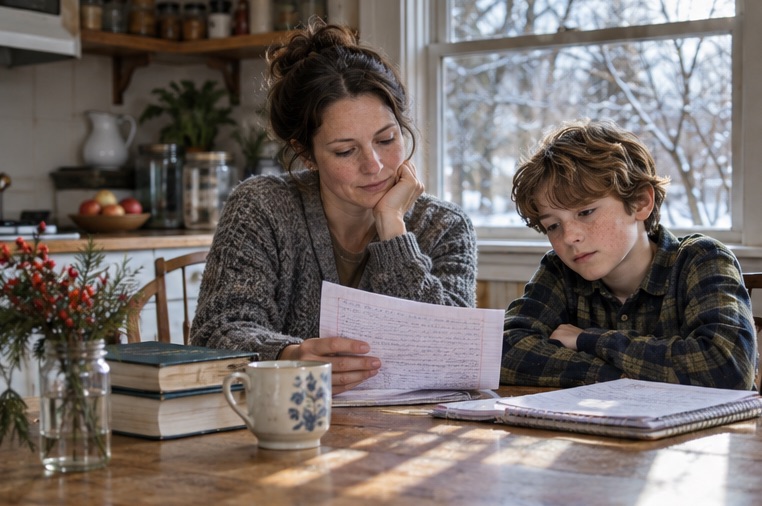
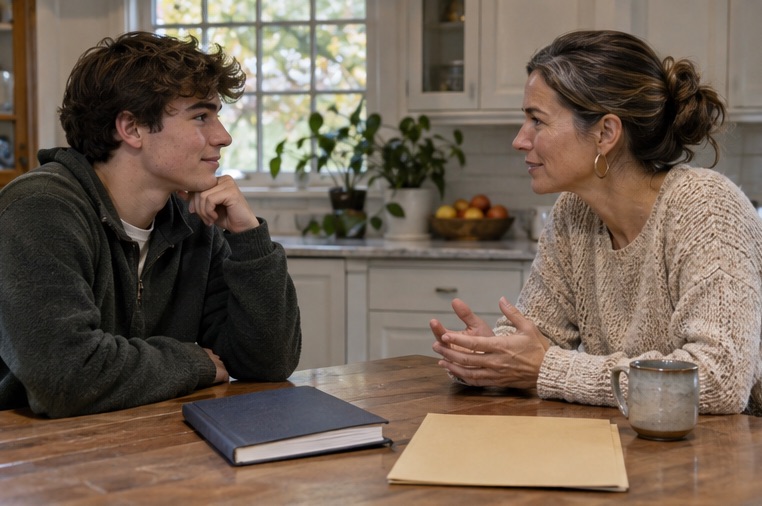
Every homeschool mom knows the moment. The kitchen table is buried in papers, and a quiet question slips in: Am I really doing enough? No matter how many years a mother has taught, how old her children are, or when she started, homeschool doubts creep in.
We spoke to several homeschool moms, with six to more than twenty years of experience. We asked a simple question: What doubts have you battled, and how has the Lord helped you through them? Their families and seasons looked very different, but their doubts sounded remarkably alike. Are my children getting enough academically? Will they be ready for what comes next? Will they truly know the Lord for themselves? Their answers were honest, humble, and full of hope. They pointed to the faithful God who carries every homeschool family.
Where Homeschool Doubts Come From
Why do I have doubts about homeschooling? Many parents ask that question. Doubt doesn’t mean a family made the wrong choice. It often means a parent cares deeply and wants to obey God in raising godly children and making disciples. Homeschool doubts grow from many roots, including
- a parent’s own insecurities,
- outcomes no one can know yet,
- comparison with other families,
- the polished picture social media paints,
- the pressure to get everything right,
- not knowing anyone who has homeschooled before, or
- trusting in one’s own strength instead of depending on God.
One of the most common roots is comparison.
The Comparison Trap
It has never been easier to peek into other homeschools. Social media shows the field trips, co-op days, and beautifully planned unit studies. But rarely does social media show the tears over long division. More than one mom admitted wondering whether her children would miss out on the activities other families seemed to enjoy.
But comparison loses its grip when parents see what they are truly investing in their children. Homeschooling makes room for long, unhurried conversations. It lets families grow together, enjoy one another, and teach children to serve. It provides a strong education, all while passing down what matters most, from family recipes to practical skills. How can a highlight reel compare with that?
Jesus gave Peter the same answer when he looked at another disciple’s path: “What is that to thee? follow thou me” (John 21:22). God calls parents to faithfulness, not competition (1 Cor. 4:2). This holds true even when well-meaning friends quiz children about their grades, or when a mom feels overwhelmed teaching several grades at once.
The Fear of Not Knowing Enough
A teaching degree doesn’t erase this doubt. Even moms with education degrees wondered whether the curriculum and their teaching were enough. Parents without a degree, or those whose first language isn’t English, may feel it even more. But God equips those He calls. Neither a diploma nor a first language limits what He can do through a faithful parent.
One mom found perspective in an unexpected way. When her children spent time in a traditional classroom, they faced struggles even with trained teachers. Struggle is part of learning, not a verdict on a parent. Parents may fear overlooking a learning struggle. But paying close attention to how each child learns is exactly how to notice those struggles early.

No parent knows everything. And God doesn’t expect or want parents to rely on their own wisdom or to teach without His guidance. He promises to direct their paths when they trust Him (Prov. 3:5–6). He offers wisdom freely. “If any of you lack wisdom, let him ask of God, that giveth to all men liberally, and upbraideth not; and it shall be given him” (James 1:5).
The Pressure to Get Everything Right
Many parents hold themselves to the impossible standard of a perfect homeschool. Or they assume a traditional classroom would run more smoothly. But public and Christian schools have hard days too. Every classroom has unfinished lessons and plans that fall apart. Struggle isn’t a sign that homeschooling isn’t working; it’s often how God grows both parent and child. He works through imperfect parents. “My grace is sufficient for thee: for my strength is made perfect in weakness” (2 Cor. 12:9).
The curriculum serves the family, not the other way around. Even a robust curriculum doesn’t require completing every page and activity. An overwhelmed homeschool mom, especially one buried in lesson prep, can give herself permission to adjust. She can keep the essential objectives while letting go of what doesn’t serve her children. For many families, the BJU Press Homeschool video courses carry much of the planning and lesson prep. Homeschool Hub keeps it all in one place, so the year can move at a pace that fits each child.
Renewing the Mind with Biblical Truth
Education is part of discipleship
“And these words, which I command thee this day, shall be in thine heart: And thou shalt teach them diligently unto thy children” (Deut. 6:6–7). Discipleship and academics are not competing goals. God created each child with a purpose and calls His people to work and steward His world (Gen. 1:28). Teaching reading, math, science, and history through a biblical worldview equips children for that calling, whether in college, a career, or a home of their own. “Train up a child in the way he should go: and when he is old, he will not depart from it” (Prov. 22:6). Intentional education is one way parents point their children to Christ.
Faithfulness Over Outcomes
For many parents, the deepest doubt goes beyond math or reading. It’s the quiet fear: Will my children truly know the Lord for themselves?
Parents can’t choose faith for their children, but they can prepare the soil. Teaching every subject through a biblical worldview, with the Creation Mandate in mind, is powerful. It shows children that all life belongs to God. This framework shapes how they think. It equips them to weigh ideas against Scripture and to reason through hard questions. It teaches them to pray through what they face long after their school years end (Rom. 12:2).
This is where parents find rest. “I have planted, Apollos watered; but God gave the increase” (1 Cor. 3:6). Parents’ part is faithfulness. The results belong to God, and He loves their children even more than they do. He holds their future, too.
Practical Ways to Build Confidence Through Faith
- Begin with prayer. Many moms pointed here first. Parents can ask God for wisdom each morning, pray specifically for each child, and hand Him the fears they can’t fix. David’s words in Psalm 25 make a beautiful prayer for a doubting heart.
- Stay rooted in the Word. Through His Word, the Lord reminds parents that He is enough, even when they feel inadequate. His truth can replace fearful thoughts.
- Have honest conversations. No one has to homeschool alone. Married parents have a spouse to lean on for wisdom, prayer, and support. Single parents, or those whose spouse isn’t involved day to day, can find that same encouragement in a trusted friend or their church family. Even those who don’t know anyone who has homeschooled before or are homeschooling without family support have resources. The BJU Press Homeschool Community on Facebook feels a lot like friends gathered around a kitchen table. There are parents on similar journeys, each meeting the needs of their family as God has called them. They share ideas, laugh together over hard days, and cheer one another on. A HomeWorks by Precept Consultant can also offer year-round support. They can also help parents choose the right materials.
- Lean on trusted tools. Many families find confidence in knowing they can trust the BJU Press Homeschool curriculum. It covers the objectives their children need to be well educated, all while passing down the biblical values a family cares about. Good tools are a gift, but true confidence rests in the Lord.
- Enjoy the journey. Sometimes it’s okay to let the worksheets wait. The best cure for a homeschool overwhelmed by busyness is often sitting at Jesus’ feet together. Some of the sweetest moments come from hands-on activities, right alongside the lessons.
Resting in God’s Faithfulness
Dear homeschooling parent, whatever your doubt may be, whether mentioned here or not, the answer is the same. Return to the One who called you. Every need can be laid at His feet. “But my God shall supply all your need according to his riches in glory by Christ Jesus” (Phil. 4:19).
Your homeschool doesn’t have to be perfect, but it does need to be intentional. Remember why your family chose to homeschool, and let that shared vision guide each day.
The God who entrusted these children to you will provide the wisdom, strength, and grace you need to teach and lead them well. As 1 Thessalonians 5:24 promises, “Faithful is he that calleth you, who also will do it.” When doubts return, come back to His calling, rest in His promises, and keep taking the next faithful step.
“And let us not be weary in well doing: for in due season we shall reap, if we faint not” (Gal. 6:9).
Editor’s note: And here’s the Good News: A parent can bring the pressures of homeschooling to the Lord in prayer, and other families can offer help from experience. The mothers in this article remind us that a difficult lesson or an uneven week is one small part of years spent teaching and discipling our children. God gives the increase as parents do the work before them. What recurring worry could you bring to God and discuss with a trusted homeschool parent this week?
Originally published on the BJU Press Blog.

BJU Press Guest Writer
This post was written by a guest writer for BJU Press. If you have any questions regarding this post, please direct them to [email protected].