The Big Data Bump for Education
“Nation’s Report Card” Announces Expanding Testing Schedule
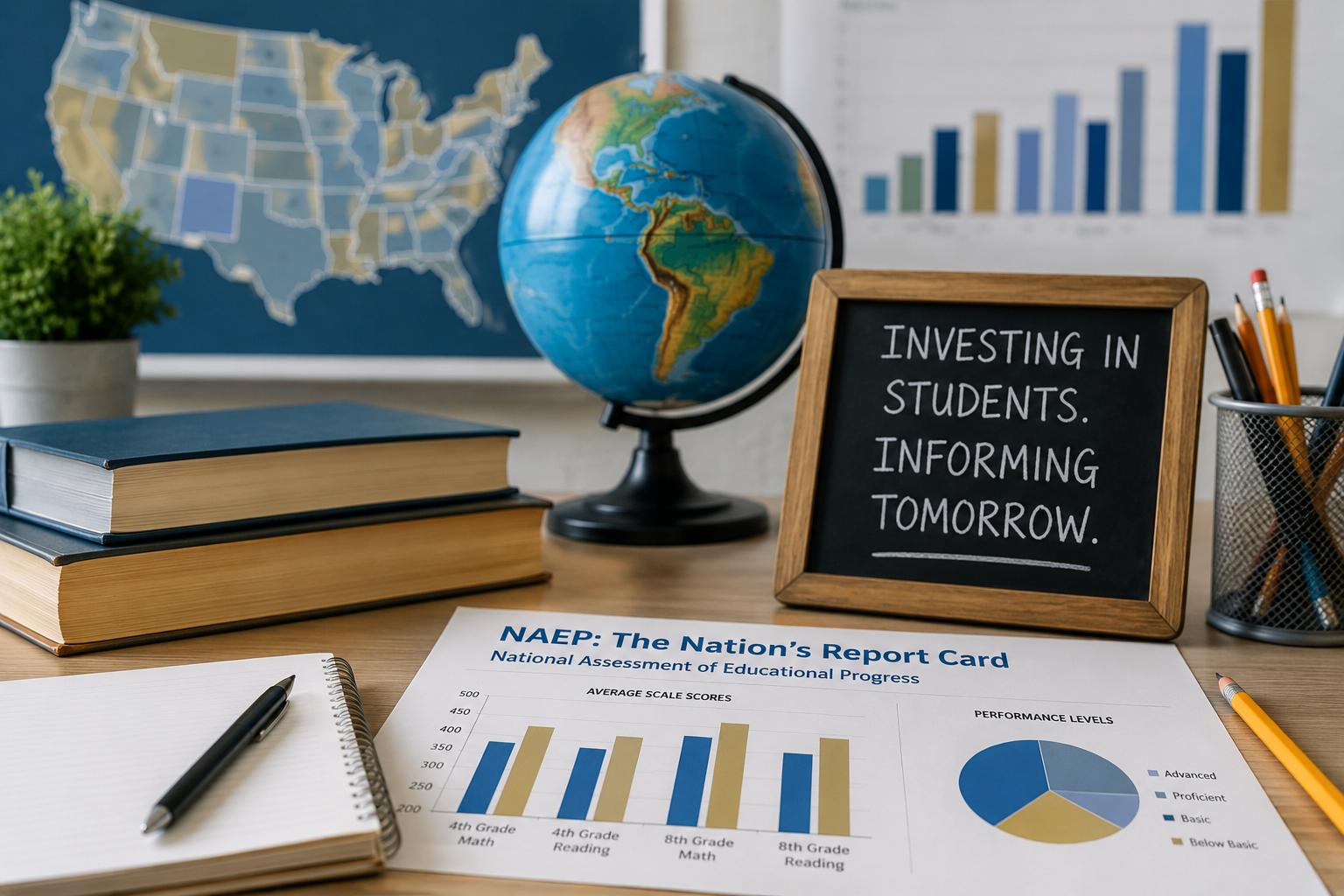
The National Assessment Governing Board (NAGB) has announced an expansion of national testing in an effort to provide state lawmakers with data that can help them improve education in their states. The National Assessment of Educational Progress (NAEP), often referred to as the “Nation’s Report Card,” has been providing data for only fourth and eighth grades in math and reading. The new testing schedule will include testing for eighth- and 12th-grade civics, 12th-grade math and reading, and eighth-grade science. Starting in 2028, the new assessments will be introduced for eighth-grade civics and 12th-grade math and reading. The eighth-grade science assessment will follow in 2029, and 12th-grade civics in 2032. Participation in the testing will be optional for states and comes at no cost to states. The changes come after the downsizing and layoffs in the National Center for Education Statistics last year, and some optional NAEP testing was canceled. In addition to the new schedule, the NAGB also reinstated the assessments that were canceled last year and approved the start of updating the civics assessments for 2032. The expanded testing schedule has received positive reviews from several state leaders as they recognize the lower NAEP scores in recent years and are eager to improve the education for the students in their states.
The additional assessments will give states a broader picture of student achievement than the current testing schedule provides. While fourth- and eighth-grade reading and math scores offer important information about students during their elementary and middle school years, adding assessments at the 12th-grade level will allow lawmakers and education leaders to see how well students are prepared as they finish high school. The addition of science and civics assessments will also provide information about subjects that are not measured as regularly through the current NAEP schedule.

NAEP assessments are designed to provide a national and state-level picture of student performance rather than scores for individual students or schools. A representative sample of students takes the assessments, and the results allow states to compare their performance with national averages and with results from previous years. Because the same general measures are used across participating states, the results can also help state leaders identify areas in which their students may be falling behind or making progress.
The expansion comes at a time when education leaders continue to examine the effects of declining academic achievement. Recent NAEP results have raised concerns about student performance, particularly in reading and math, and state lawmakers have increasingly looked for reliable data as they consider changes to curriculum, instruction, teacher training, and other education policies. Expanding the number of subjects and grade levels included in NAEP could give policymakers additional information as they determine where students are struggling and where changes may be needed.
The addition of 12th-grade testing may be especially useful because it provides information about students near the end of their K-12 education. While states collect their own graduation, testing, and college-readiness data, the NAEP assessment provides another way to compare student achievement across the country. Results from the expanded assessments could help lawmakers evaluate whether students are leaving high school with the academic knowledge they need for college, career training, employment, and civic life.
The decision to expand civics testing is also significant. Civics education has received increased attention as educators and policymakers consider how well students understand American government, citizenship, and their responsibilities in a constitutional system. By updating the civics assessment before its planned administration in 2032, the NAGB will have the opportunity to review what students should know and how that knowledge should be measured. The eighth-grade civics assessment beginning in 2028 will provide states with an earlier look at student understanding in this area.
Because participation in the additional assessments is voluntary and the federal government will cover the cost, states will be able to decide whether the additional data will be useful for their education systems without taking on the expense of developing another statewide assessment. Supporters of the expansion hope that this will encourage broad participation and produce enough information to make meaningful comparisons among states.
The expanded schedule will not by itself improve student achievement, but it can give state leaders another tool for identifying problems and measuring progress. As states continue working to address academic declines, the additional NAEP results may help lawmakers and education officials make better-informed decisions about where resources and attention are most needed. The first of those new results will begin arriving after the 2028 assessments, giving states a more detailed look at how their students are performing in several important areas of education.